
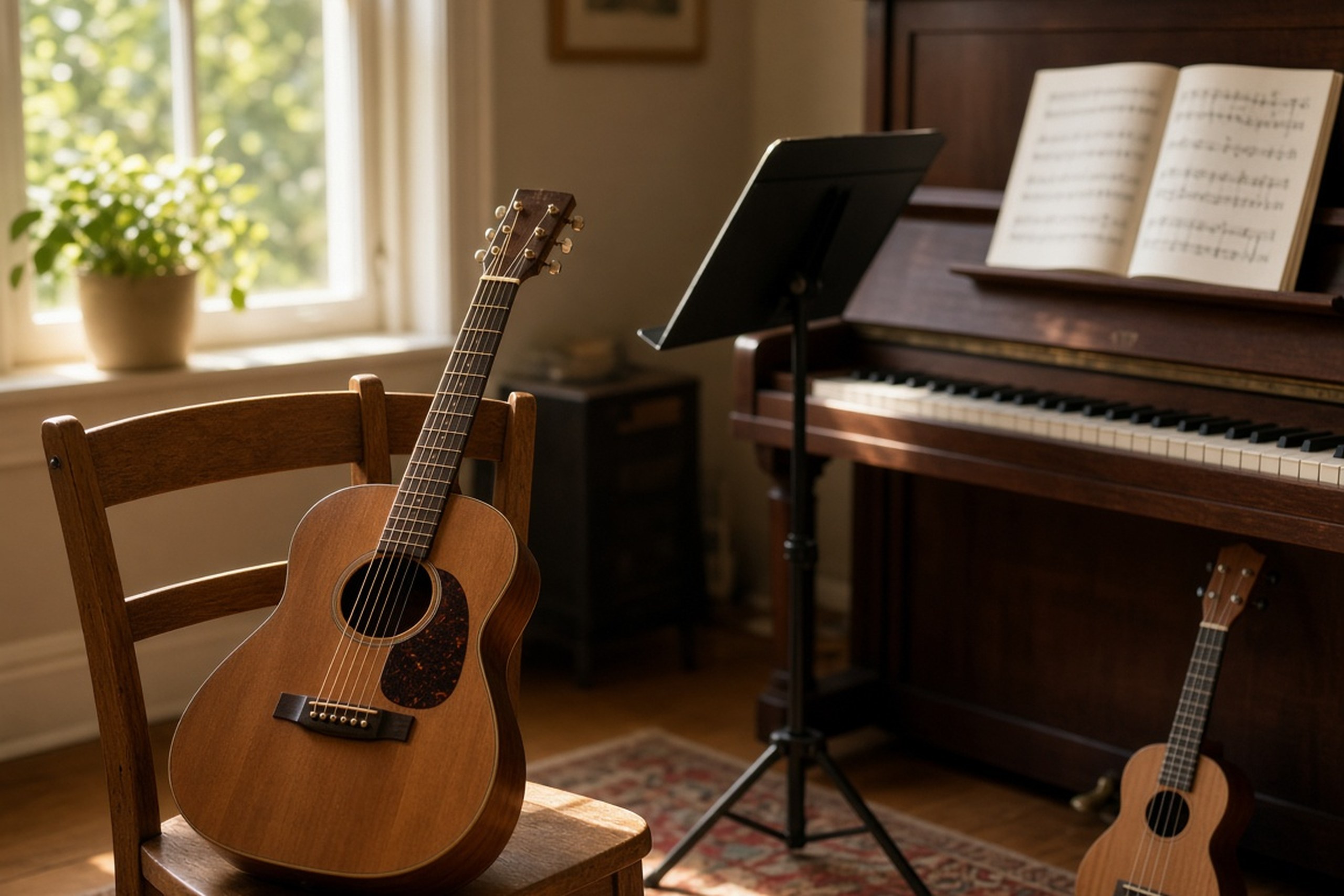
Learning to play music is a rewarding experience at any age. Whether you’re a parent looking for piano lessons for your child, a teenager dreaming of playing guitar, or an adult finally ready to pick up the violin, the right teacher can make all the difference. Music lessons build skills, confidence, and a lifelong appreciation for the arts. Here’s a helpful guide to finding beginner-friendly music lessons in your area and choosing the option that best fits your goals.
The Benefits of Learning Music
Playing an instrument offers far more than entertainment. Many people find that regular practice builds patience, discipline, and focus, while performing helps develop confidence. For children, music can be a fun way to express creativity and work toward goals, and group lessons offer a chance to make friends with shared interests.
Adults often discover that music provides a welcome creative outlet and a healthy break from daily routines. It’s never too late to start, and many teachers enjoy working with adult beginners who bring enthusiasm and clear motivation to their lessons.
Decide Which Instrument to Learn
Before searching for lessons, think about which instrument excites you most. Popular choices for beginners include piano, guitar, ukulele, drums, violin, and voice. The best instrument is usually the one you’ll genuinely want to practice, since enjoyment is what keeps students motivated over time.
Consider practical factors as well, such as cost, space at home, and noise. A keyboard with headphones can work well in an apartment, while a drum kit may require more room and understanding neighbors. Many music shops offer instrument rentals, which let beginners try an instrument before committing to a purchase.
Explore Local Music Schools
Music schools and academies are a great starting point for beginners. These establishments often employ multiple teachers who specialize in different instruments, making it easy to find lessons for the whole family in one place. Many offer structured programs, practice rooms, and student recitals that provide performance experience.
When visiting a music school, ask about teacher qualifications, lesson lengths, scheduling flexibility, and policies for missed lessons. Some schools offer a trial lesson, which is an excellent way to see whether the environment feels like a good fit.
Work With a Private Music Teacher
Private teachers offer personalized, one-on-one instruction tailored to your pace and interests. Lessons might take place in the teacher’s studio, in your home, or online. This individual attention can help students progress steadily and address specific challenges as they come up.
To find a private teacher, check online business directories, community bulletin boards, and recommendations from friends or schools. Music shops are often connected with local instructors and can point you toward experienced teachers in your area.
Check Community Programs and Group Classes
Community centers, libraries, places of worship, and recreation departments sometimes offer affordable music classes for beginners. Group lessons are a budget-friendly way to learn the basics while enjoying a social atmosphere. They can be especially appealing for young children and adults who prefer learning alongside others.
Community bands, choirs, and youth orchestras are also wonderful options once students have learned the fundamentals. These groups provide regular opportunities to play with others and stay motivated.
Consider Online Music Lessons
Online lessons have become a popular and convenient way to learn an instrument. Live video lessons with a teacher let you learn from home on a flexible schedule, while prerecorded courses and apps allow you to practice at your own pace. This option can be especially helpful for busy schedules or for those living in areas with fewer local teachers.
For the best experience, make sure you have a stable internet connection and a camera positioned so your teacher can see your hands and posture. Ask whether the teacher shares recordings or practice notes after each session, which can make home practice more productive. Many students combine online resources with occasional in-person lessons for well-rounded progress.
What to Look for in a Music Teacher
Finding the right teacher is one of the most important steps in your musical journey. Keep the following qualities in mind as you compare options:
- Experience With Beginners: Teaching beginners requires patience and the ability to explain basics clearly and encouragingly.
- Teaching Style: Some teachers focus on reading music and technique, while others emphasize playing by ear or learning favorite songs.
- Age-Appropriate Approach: Lessons for young children should be playful and engaging, while adult lessons can be more goal-focused.
- Clear Communication: A good teacher sets expectations, tracks progress, and offers practical practice guidance.
- Background Checks: For children’s lessons, ask whether instructors have completed background screening where it’s commonly required.
Understand Lesson Costs and Commitments
Lesson pricing varies depending on the teacher’s experience, lesson length, location, and format. Private lessons usually cost more than group classes, while online lessons may offer more flexible pricing. Ask whether payments are made per lesson, monthly, or by semester, and review cancellation policies before signing up.
Remember to budget for extras such as instrument rental or purchase, method books, and accessories like tuners or music stands. Planning for these costs ahead of time helps avoid surprises.
Tips for Staying Motivated as a Beginner
The early stages of learning an instrument can be challenging, but steady practice pays off. Short, regular practice sessions are often more effective than occasional long ones. Setting small goals, such as learning a favorite song, keeps progress feeling rewarding.
Celebrate milestones, record yourself occasionally to hear your improvement, and don’t be discouraged by mistakes. Every musician started as a beginner. Playing with friends or family members, joining a beginner ensemble, or simply choosing music you love can make practice feel less like a chore and more like a hobby you look forward to each day.
Starting Your Musical Journey
Finding the right music lessons is the first step toward a skill that can bring joy for a lifetime. By exploring music schools, private teachers, community programs, and online options, you can find instruction that suits your schedule, budget, and learning style.
Take advantage of trial lessons, ask plenty of questions, and choose a teacher who inspires you. With patience and practice, you’ll soon be making music you’re proud to share.