
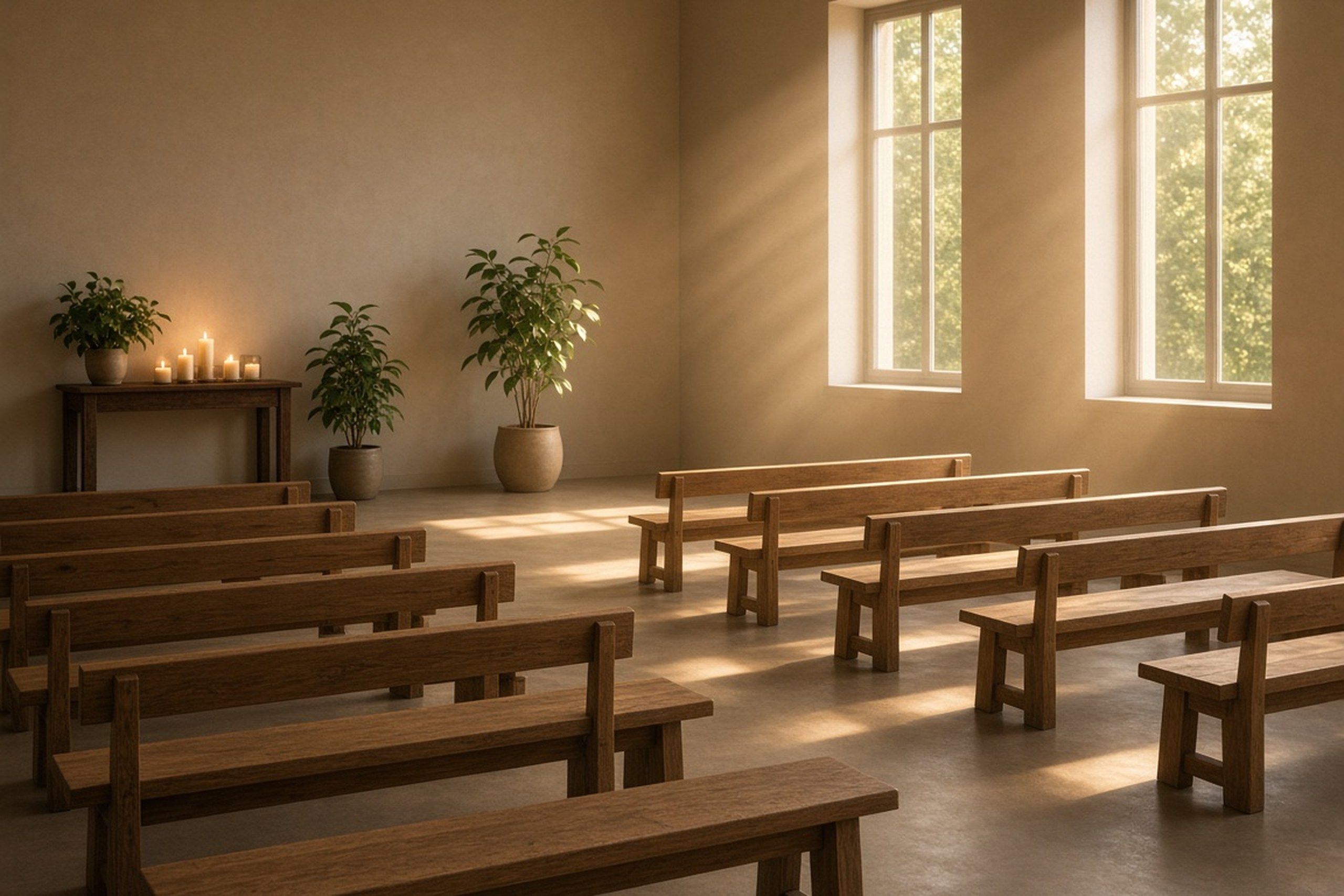
For many people, belonging to a spiritual community offers a sense of purpose, connection, and support. Whether you’ve recently moved to a new city, are returning to faith after time away, or are exploring spirituality for the first time, finding the right place can feel like an important personal journey. Every congregation and spiritual group has its own traditions, values, and atmosphere. Here’s a thoughtful guide to help you find a place of worship or spiritual community where you feel at home.
Reflect on What You’re Looking For
Before you begin visiting different communities, take some time to consider what matters most to you. Are you looking for a community within a specific religious tradition, or are you open to exploring different paths? Do you value traditional rituals, contemporary services, quiet meditation, or active community service?
Think about your practical needs as well. Families with children may want strong youth programs, while others might prioritize study groups, music, or opportunities to volunteer. Knowing your priorities will make it easier to recognize a good fit when you find it.
Learn About Different Traditions and Denominations
Within many religions, there are numerous denominations, branches, and movements that differ in beliefs, worship styles, and practices. Two communities that share the same faith may feel very different in their teachings, customs, and approaches to modern issues.
Reading about the core beliefs and practices of the traditions you’re considering can help you narrow your search. Many communities publish statements of belief or mission on their websites, which offer helpful insight into their values before you visit.
Search Local Directories and Online Resources
Online business directories, maps, and community websites are a convenient starting point for finding places of worship near you. Searching by faith tradition and neighborhood can quickly produce a list of options to explore.
Many congregations share service times, livestreamed services, event calendars, and contact information online. Watching a recorded or livestreamed service can give you a preview of the atmosphere, music, and teaching style before attending in person.
Ask for Recommendations
Friends, neighbors, coworkers, and family members can be valuable sources of insight. People who are already part of a community can describe what they appreciate about it and what newcomers might expect. Personal recommendations often lead to welcoming introductions, which can make that first visit feel less intimidating.
If you’ve moved from another area, leaders at your previous congregation may also be able to suggest similar communities in your new location.
Visit Several Communities
Attending services or gatherings in person is the best way to understand a community’s character. Plan to visit a few different places, and consider attending more than once, since a single service may not reflect the full experience. Arrive a little early, observe how people interact, and stay afterward if there’s a time for conversation.
During your visits, pay attention to the following:
- Welcome: Notice whether newcomers are greeted warmly and made to feel comfortable.
- Teaching: Consider whether the messages and teachings resonate with your beliefs and challenge you to grow.
- Worship Style: Reflect on whether the music, rituals, and format help you feel engaged.
- Community Life: Look for opportunities to connect beyond services, such as small groups or volunteer projects.
- Accessibility: Check whether the space and programs accommodate your needs and those of your family.
Talk With Leaders and Members
Meeting with a community leader, such as a pastor, priest, rabbi, imam, or teacher, can help you understand the group’s beliefs, expectations, and opportunities for involvement. Don’t hesitate to ask questions about membership, programs, and how the community supports people at different stages of life.
Conversations with members can be equally helpful. Ask what drew them to the community and what keeps them involved. Their experiences can give you a realistic picture of what belonging there might be like. You might also ask how members support one another during difficult times, such as illness, loss, or major life changes, since this often reveals the heart of a community.
Explore Nontraditional Spiritual Groups
Not everyone finds their spiritual home in a traditional congregation. Meditation centers, mindfulness groups, interfaith gatherings, and spiritual study circles offer alternative ways to explore meaning and connection. These groups often welcome people from many backgrounds and may focus on practices rather than specific doctrines. For those who are curious but uncertain, they can provide a low-pressure environment to ask questions and learn.
Community centers, yoga studios, and libraries sometimes host spiritual or contemplative events as well. Trying these gatherings can be a gentle way to explore what resonates with you.
Consider Your Long-Term Involvement
As you narrow your choices, think about how a community fits into your life over time. Consider the location, service schedules, and the kinds of commitment members typically make. A place that’s easy to reach and fits your routine makes regular participation more sustainable.
It’s also worth considering how the community handles growth, questions, and differing viewpoints. A healthy community encourages honest conversation, treats members with respect, and is transparent about its leadership and finances.
Trust Your Instincts
Ultimately, finding a spiritual community is a personal decision. Pay attention to how you feel during and after your visits. A sense of peace, belonging, or inspiration is often a meaningful sign. On the other hand, if you feel pressured, uncomfortable, or unwelcome, it’s perfectly fine to keep looking.
Give yourself permission to take your time. The search itself can be a valuable part of your spiritual growth, helping you clarify what you believe and what kind of support you need. Talking through your experiences with a trusted friend or family member can also help you process what you’ve learned along the way.
Finding Your Spiritual Home
A welcoming spiritual community can offer friendship, guidance, and support through every season of life. By reflecting on your beliefs, researching local options, visiting several communities, and asking thoughtful questions, you can discover a place that nurtures your faith and sense of purpose.
Approach the journey with an open mind and patience. With time, you’re likely to find a community where you can grow, contribute, and truly belong.