
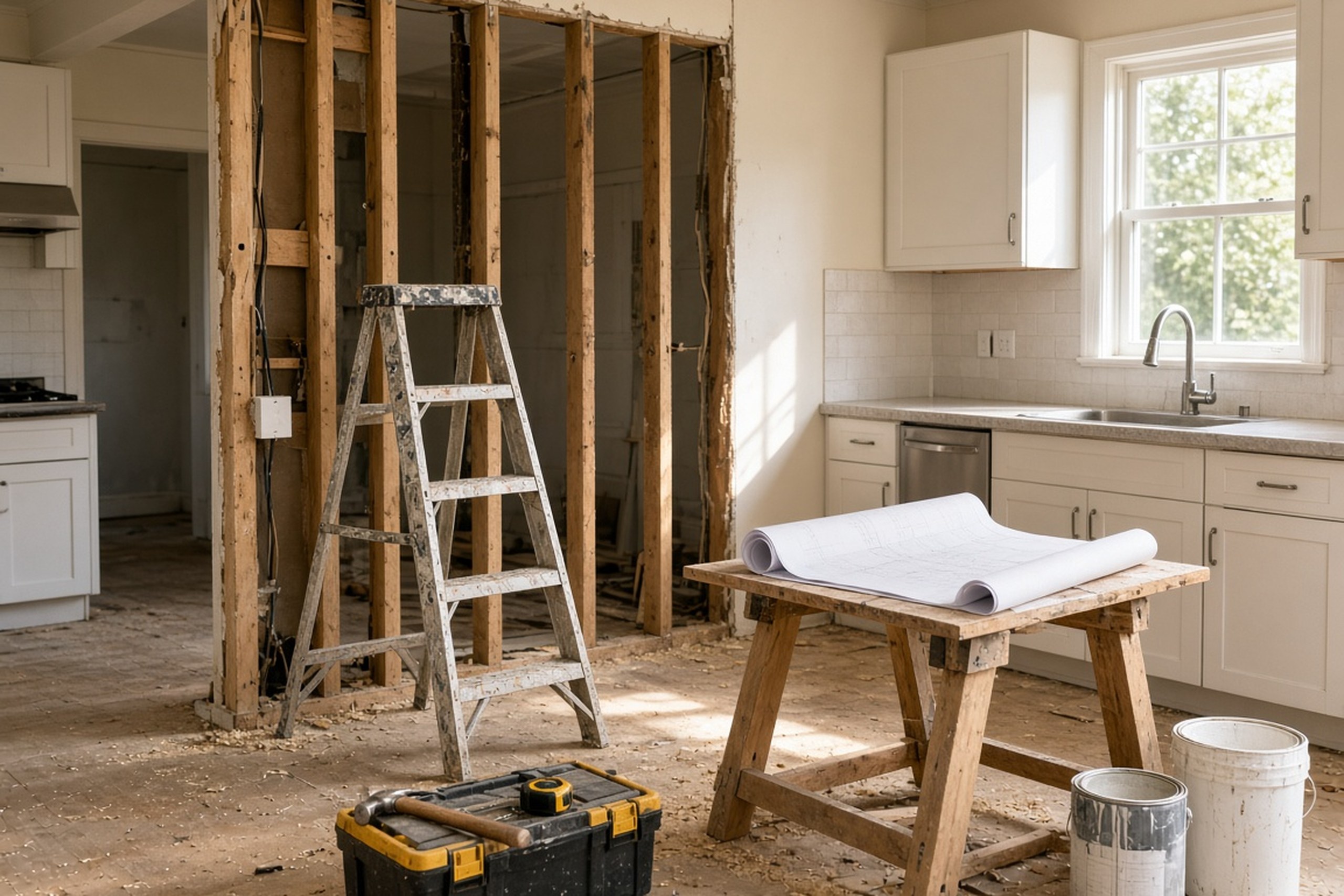
A home renovation can transform your living space, increase comfort, and add value to your property. But the success of any project depends heavily on the contractor you choose. A skilled, trustworthy professional can bring your vision to life on time and within budget, while the wrong hire can lead to delays, unexpected costs, and frustration. Whether you’re updating a kitchen, finishing a basement, or adding a new room, here’s how to find a reliable contractor for your home renovation.
Define Your Project Before You Start
Before contacting contractors, take time to clarify the scope of your project. Decide which rooms or areas you want to update, the features you’d like to include, and your preferred materials and finishes. Collect photos and ideas that reflect your style, and consider which elements are must-haves and which are optional.
Setting a realistic budget is equally important. Plan for a contingency fund to cover unexpected issues, which are common in renovations, especially in older homes. A clear plan makes it easier to get accurate estimates and compare contractors fairly.
Understand the Types of Contractors
Different projects require different professionals. A general contractor manages the entire project, coordinates subcontractors such as electricians and plumbers, and oversees schedules and permits. For smaller or specialized jobs, you may hire a specialty contractor directly, such as a roofer, flooring installer, or painter.
Larger or more complex renovations may also involve an architect or designer. Understanding who does what will help you decide which professionals to contact first.
Gather Recommendations
Personal recommendations are one of the best ways to find reputable contractors. Ask friends, family members, and neighbors who have recently completed similar projects about their experiences. Seeing finished work in person can give you confidence in a contractor’s craftsmanship.
Online business directories, review sites, and local trade associations can help you expand your list. Building supply stores and real estate professionals often know which contractors have strong reputations in your area.
Verify Licenses and Insurance
Licensing and insurance requirements vary by location, but checking them is essential. Many states, provinces, and municipalities require contractors to hold licenses for certain types of work. Contact your local licensing authority or check its online database to confirm a contractor’s license is current and in good standing.
Ask for proof of liability insurance and, if they have employees, workers’ compensation coverage. Insurance protects you from financial responsibility if property is damaged or someone is injured during the project.
Research Reviews and Past Work
Take time to research each contractor’s track record. Read online reviews and pay attention to how the contractor responds to complaints. Consistent feedback about communication, quality, and reliability tells you more than a single review.
Ask for a portfolio of completed projects and contact information for recent clients. Speaking with past customers allows you to ask whether the project stayed on schedule, how problems were handled, and whether they would hire the contractor again.
Get Multiple Written Estimates
Requesting estimates from at least three contractors helps you understand the typical cost of your project and compare approaches. Provide each contractor with the same project details so the estimates can be compared fairly.
A detailed estimate should break down labor, materials, permits, and timelines. Ask each contractor how they handle unexpected discoveries, such as hidden water damage, and how those costs are approved. Be cautious of bids that are significantly lower than others, as they may reflect lower-quality materials, missing items, or unrealistic expectations.
Ask the Right Questions
Meeting with contractors gives you a chance to evaluate their professionalism and communication. Consider asking these important questions:
- How long have you been in business? Experience often brings better problem-solving and established relationships with suppliers and subcontractors.
- Who will be working on my project? Find out whether the contractor uses employees or subcontractors and who will supervise the site.
- Will you obtain the necessary permits? Reputable contractors handle required permits and inspections.
- What is the expected timeline? Ask about start dates, project duration, and how delays are communicated.
- What warranties do you offer? Understand what workmanship and materials warranties are included.
Review the Contract Carefully
Never begin a renovation without a written contract. A thorough contract should include a detailed scope of work, materials, total cost, payment schedule, project timeline, warranty information, and procedures for handling changes. Read it carefully and ask questions about anything that’s unclear.
Avoid paying the full amount upfront. A reasonable deposit followed by payments tied to completed project milestones is a common and safer approach. Keep copies of all documents, receipts, and change orders. Any change to the plan, however small, should be documented in writing with its cost before the work is done.
Prepare for Life During the Renovation
Even a well-managed renovation can disrupt your daily routine. Talk with your contractor about working hours, noise, dust control, and which areas of your home will be off-limits during each phase. If you’re renovating a kitchen or bathroom, plan temporary alternatives, such as a makeshift kitchen area or a different bathroom schedule.
Agree on how and when you’ll receive updates, whether through regular site meetings, phone calls, or messages. Consistent communication makes it easier to approve changes quickly, catch small problems early, and keep the project moving forward.
Watch for Red Flags
Certain warning signs suggest a contractor may not be trustworthy. Be cautious of anyone who pressures you to sign immediately, asks for large cash payments, refuses to provide references, or suggests skipping permits. Door-to-door offers following storms or other events are another situation that calls for extra care.
Trust your instincts. If a contractor seems unprofessional or evasive during early conversations, those concerns are likely to grow once work begins.
Building a Successful Renovation Partnership
Finding a reliable contractor takes research, patience, and careful evaluation, but the effort is well worth it. By defining your project, gathering recommendations, verifying credentials, comparing estimates, and reviewing contracts, you can hire a professional you trust.
Maintain open communication throughout the project and address concerns promptly. With the right contractor by your side, your home renovation can be a smooth and rewarding experience.