
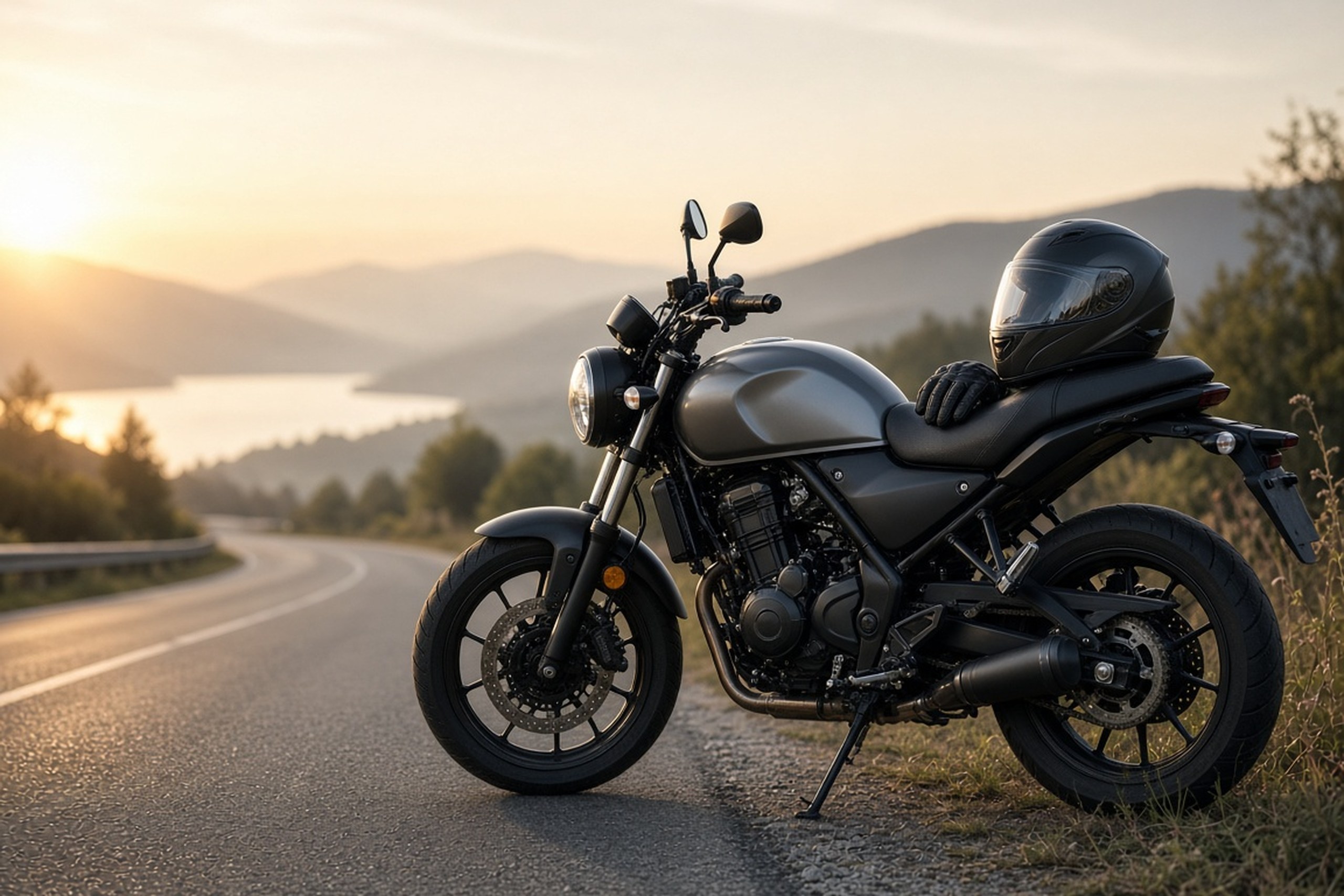
Buying your first motorcycle is an exciting milestone. Riding offers a sense of freedom, a closer connection to the road, and a fun way to explore new places. But motorcycles also demand skill, focus, and respect, and choosing the wrong bike can make learning harder and less safe. Taking time to prepare before you buy will help you enjoy riding for years to come. Here’s what you should know before buying your first motorcycle.
Get Properly Trained and Licensed First
Before you shop for a bike, learn how to ride. Most places require a specific motorcycle license or endorsement, which usually involves a written test and a skills test. Some areas also have learner permits with restrictions, such as no passengers or no night riding. Check the requirements with your local licensing authority.
A beginner rider training course is one of the best investments you can make. These courses typically provide motorcycles and helmets for practice, teach essential control and safety skills in a controlled environment, and in some places can help you qualify for your license.
Be Honest About Your Riding Goals
Think about how you plan to use your motorcycle. Will you commute in city traffic, ride on weekends, take long highway trips, or explore dirt roads? Your answer will influence the type of bike that suits you best. It’s also helpful to consider where you’ll store the motorcycle and how often you realistically expect to ride.
If you’ll be riding in a climate with cold winters or heavy rain, think about how the season will affect your plans. Your goals may change as you gain experience, so focus on a bike that suits the riding you’ll do in your first year or two.
Understand the Main Types of Motorcycles
Motorcycles come in several styles, each with its own strengths:
- Standard or naked bikes: Upright, comfortable, and versatile, these are often recommended for beginners.
- Cruisers: Low seats and relaxed riding positions make them popular for casual rides.
- Sport bikes: Designed for performance and agility, with a forward-leaning riding position that some riders find tiring.
- Touring bikes: Large and comfortable for long distances, but often heavy for new riders.
- Dual-sport and adventure bikes: Built to handle both pavement and dirt roads, usually with taller seats.
- Scooters: Easy to ride and practical for short trips in town.
Choose a Beginner-Friendly Bike
Many new riders are tempted by large, powerful motorcycles, but a smaller and lighter bike is usually a smarter first choice. A manageable engine size, smooth power delivery, and moderate weight make it easier to learn clutch control, low-speed maneuvers, and emergency braking. These skills build confidence that will carry over to any motorcycle you ride later.
Features such as anti-lock brakes (ABS) can add an extra margin of safety, especially while you’re still developing your braking technique.
Make Sure the Bike Fits You
Comfort and control matter more than looks. Sit on several motorcycles and check whether you can place your feet firmly on the ground, reach the handlebars without stretching, and operate the controls comfortably. Being able to steady the bike at a stop is especially important for beginners.
Try lifting the bike off its side stand and walking it a short distance. If it feels too heavy to manage when parking, it may be too much bike for now.
Decide Between New and Used
A new motorcycle offers a warranty, the latest features, and the peace of mind of knowing its history. A used motorcycle usually costs less and may lose less value over time, which can be appealing for a first bike that you might outgrow. Many beginners also prefer a used bike because minor drops are common while learning.
If you buy used, inspect the bike carefully or bring along an experienced rider or mechanic. Check the tires, brakes, chain, fluids, lights, and frame, ask for maintenance records, and make sure the title or ownership documents are in order. A test ride, if the seller allows it and you’re properly licensed, can reveal issues that aren’t obvious when the bike is standing still.
Budget for More Than the Bike
The purchase price is only part of the cost of owning a motorcycle. Be sure to plan for these additional expenses:
- Riding gear: A quality helmet, jacket, gloves, pants, and boots designed for riding.
- Insurance: Rates vary depending on your age, experience, location, and type of motorcycle.
- Registration and fees: Licensing, registration, and taxes required in your area.
- Maintenance: Regular oil changes, tire replacements, chain care, and servicing.
- Storage and security: A cover, lock, or secure parking space to protect your bike.
Invest in Quality Protective Gear
Proper gear is essential every time you ride. Choose a helmet that meets recognized safety standards in your region and fits snugly without pressure points. A riding jacket and pants with abrasion-resistant materials and armor, full-fingered gloves, and sturdy boots that cover your ankles all provide important protection.
Bright colors and reflective elements can also help other drivers see you, particularly in low light.
Get Insurance Quotes Early
Insurance costs can vary significantly between motorcycle types and models. Request quotes for the bikes you’re considering before you buy, so there are no surprises. Completing a rider training course may help you qualify for discounts with some insurers.
Keep Building Your Skills
Earning your license is just the beginning. Practice in a quiet parking lot, ride in familiar areas at first, and gradually take on more challenging roads and traffic. Many riders take advanced courses later to sharpen their skills. Riding with experienced friends or a local riding club can also help you learn good habits.
Starting Your Riding Journey on the Right Foot
Buying your first motorcycle is about more than choosing a bike you love the look of. By getting trained, picking a manageable motorcycle that fits you, budgeting for gear and ownership costs, and continuing to build your skills, you’ll set yourself up for safe and enjoyable riding.
Take your time, ride within your limits, and enjoy every mile of the adventure ahead.