
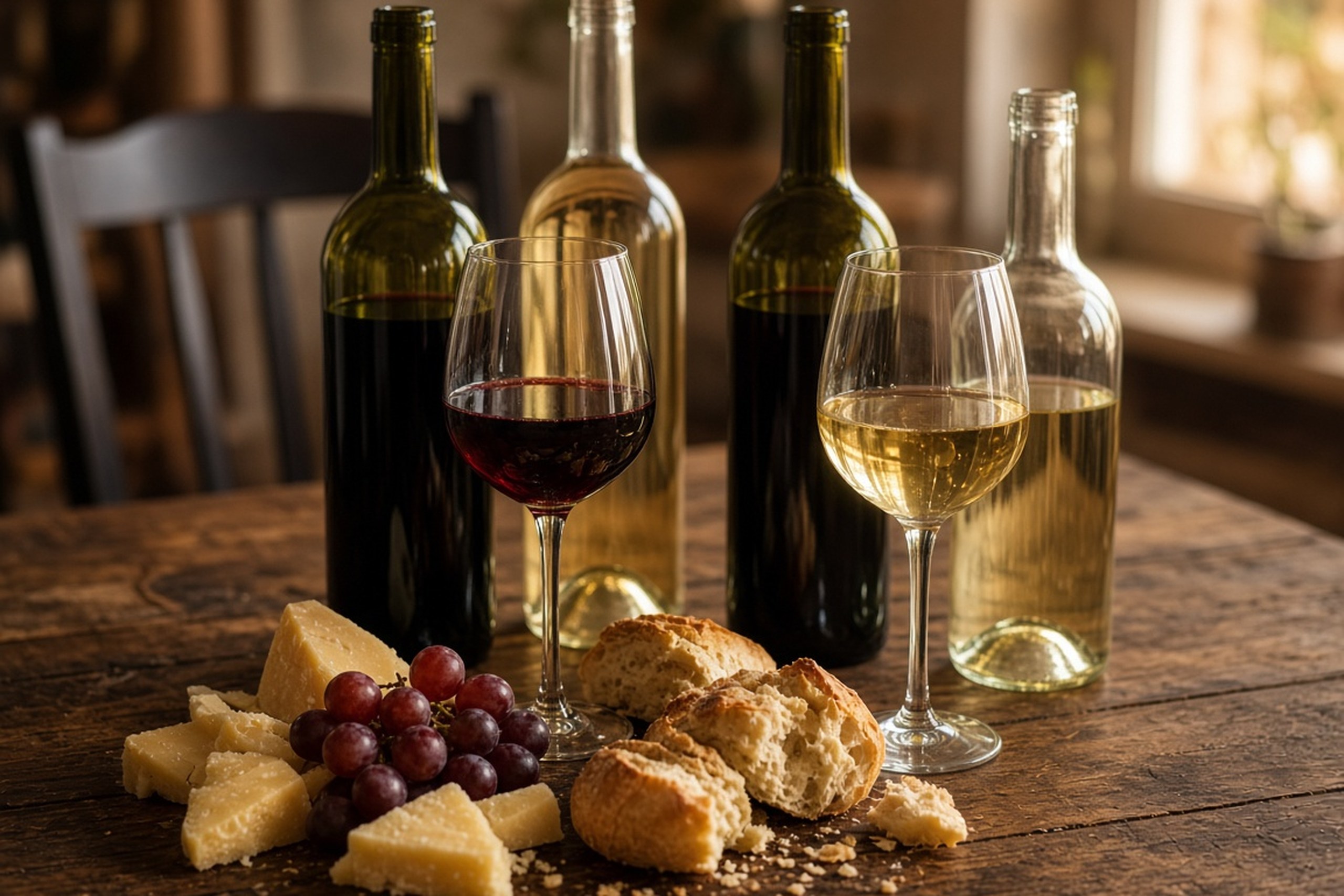
Standing in front of a long wall of wine bottles can feel overwhelming, especially when you want to bring something special to a dinner party or give a thoughtful gift. The good news is that you don’t need to be an expert to choose well. A few simple guidelines about occasion, food, taste, and budget can help you pick a bottle with confidence. Here’s how to choose a good bottle of wine for a dinner party or gift.
Think About the Occasion
Start by considering the setting. A casual backyard barbecue calls for something different than a formal holiday dinner or a celebration such as an engagement or promotion. Relaxed gatherings suit easy-drinking, versatile wines, while special occasions might call for a bottle of sparkling wine or something a little more distinctive.
If you’re giving a gift, think about whether the recipient is likely to open it right away or save it for later. A bottle meant for the dinner table that night should be ready to enjoy now.
Consider What Will Be Served
When you know the menu, you can choose a wine that complements the meal. A few classic guidelines can help:
- Light dishes: Salads, seafood, and chicken often pair well with crisp white wines such as Sauvignon Blanc or Pinot Grigio.
- Rich or creamy dishes: Fuller-bodied whites like Chardonnay can stand up to creamy pastas and roasted poultry.
- Red meats: Steaks, lamb, and hearty stews often suit structured reds such as Cabernet Sauvignon, Syrah, or Malbec.
- Mixed menus: Versatile wines like Pinot Noir, dry rosé, or sparkling wine work well with a wide range of dishes.
- Desserts: Sweet dishes usually call for a wine that is at least as sweet as the dessert itself.
If you’re unsure what’s on the menu, it’s perfectly polite to ask your host whether they’d prefer red, white, or something sparkling.
Learn About Your Guests’ or Recipient’s Tastes
If you know the person you’re buying for, think about what they enjoy. Some people prefer bold reds, while others love light, refreshing whites or bubbly wines. Paying attention to what they order at restaurants or serve at home can give you helpful clues. You might also consider a wine from a region they love or a grape they’ve mentioned wanting to try.
When you don’t know their preferences, choose a crowd-pleasing style. Medium-bodied reds, dry rosés, and sparkling wines are generally well received by a wide range of people.
Understand Basic Wine Styles
Knowing a few basic terms makes shopping easier. “Body” describes how light or heavy a wine feels in your mouth. “Dry” means a wine has little residual sugar, while “sweet” or “off-dry” wines taste noticeably sweeter. “Tannins,” found mainly in red wines, create a drying sensation and give structure.
Acidity gives wine a fresh, lively quality and helps it pair well with food. Wines with good acidity are often especially versatile at the dinner table.
Set a Comfortable Budget
You don’t need to spend a lot to bring a great bottle. Many regions produce excellent wines at moderate prices, and price alone doesn’t guarantee you’ll enjoy a wine. Decide on a budget that feels comfortable before you shop.
For gifts, a slightly more distinctive bottle within your budget, such as one from a region the recipient has visited or wants to visit, can feel especially personal and thoughtful.
Read the Label With Confidence
Wine labels can tell you a lot. Some wines are labeled by grape variety, such as Merlot or Riesling, while others are labeled by region, such as Chianti, Rioja, or Bordeaux, where the grapes used are defined by local tradition. The label usually also shows the producer, the vintage year, and the alcohol content.
Back labels often include tasting notes and food suggestions. These descriptions can help you get a sense of a wine’s style before you buy it.
Ask for Help at a Wine Shop
Independent wine shops and well-staffed wine departments are valuable resources. Staff members are usually happy to make recommendations based on your menu, budget, and the tastes of the people you’re shopping for. Describe the occasion and any dishes being served, and they can often point you toward a reliable choice.
Many shops also hold tastings, which are a fun way to discover new wines and build your knowledge over time.
Consider Sparkling Wine for Celebrations
Sparkling wine is a natural choice for toasts, holidays, and milestones. Beyond Champagne, which comes from a specific region of France, you can find many enjoyable sparkling wines such as Prosecco, Cava, and Crémant. Sparkling wine also pairs surprisingly well with salty snacks, fried foods, and appetizers.
Look for terms such as “Brut” on the label, which indicates a dry style that most people enjoy. Sweeter sparkling wines can be a lovely match for fruit-based desserts and brunch gatherings.
Present Your Gift Thoughtfully
A little presentation goes a long way. A simple wine bag, a ribbon, or a short handwritten note can make your gift feel special. If you’re bringing wine to a dinner party, let the host know they’re welcome to save it for another time, so they don’t feel obligated to change their planned menu.
If the wine should be served chilled, such as a white, rosé, or sparkling wine, consider chilling it before you arrive.
Remember Non-Alcoholic Alternatives
Not everyone drinks alcohol, and some guests may avoid it for health, personal, or religious reasons. If you’re unsure, consider a quality non-alcoholic wine, sparkling juice, or a gourmet food item as an alternative or companion gift. Thoughtful options like these ensure that everyone at the table feels included in the celebration.
Raising a Glass With Confidence
Choosing a good bottle of wine doesn’t have to be intimidating. By considering the occasion, the food, your recipient’s tastes, and your budget, and by asking for help when needed, you can select a bottle that’s sure to be appreciated.
Over time, you’ll discover styles and regions you love. Enjoy the process, and remember that the best wine is one that’s shared in good company.