
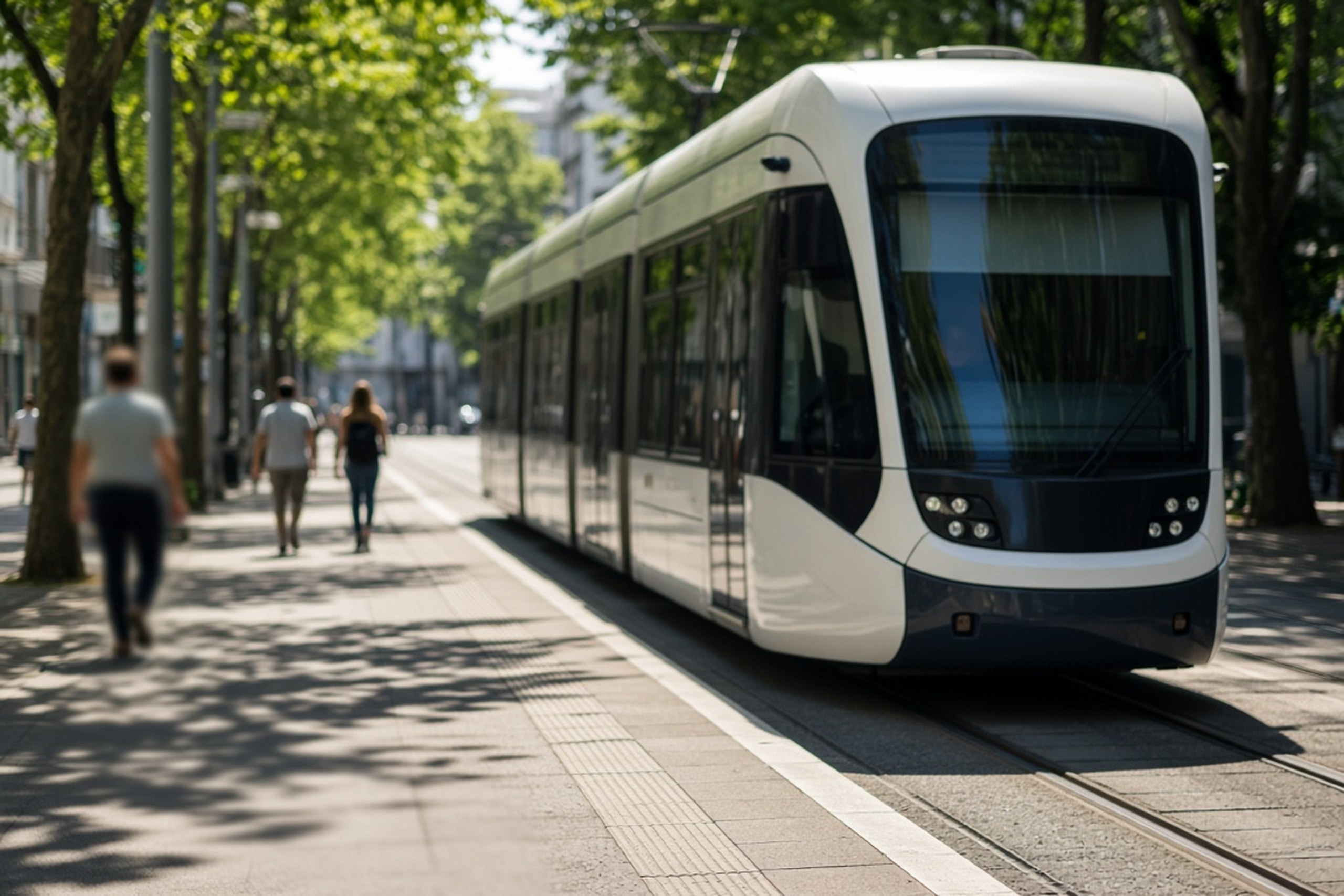
Arriving in a new city is exciting, whether you’re visiting for a vacation, a business trip, or settling in after a move. Public transportation is often the most affordable and convenient way to explore, letting you skip traffic and parking while seeing neighborhoods the way locals do. Still, figuring out unfamiliar routes, tickets, and schedules can feel intimidating at first. With a little preparation, you’ll be riding like a regular in no time. Here’s how to get around a new city confidently using public transportation.
Research the Transit System Before You Arrive
Every city’s public transportation network is different. Some rely mainly on buses, while others have subways, light rail, trams, commuter trains, ferries, or a mix of everything. Spend some time before your trip learning which options are available and how they connect.
The city’s official transit website is usually the best starting point. It typically offers system maps, route information, fare details, and service alerts. Downloading or saving a system map ahead of time gives you a helpful overview of the city’s layout.
Use Trip Planning Apps
Navigation and transit apps make getting around much easier. Many show step-by-step directions, including which line to take, where to transfer, and how long the trip will take. Some also provide real-time arrival information so you know exactly when the next bus or train is coming.
Check whether the local transit agency has its own app, as these often include mobile ticketing and service updates. Download any apps you plan to use before you travel, and consider saving offline maps in case you lose your data connection.
Understand How Fares Work
Fare systems can vary widely between cities, so take a few minutes to learn how paying works. Common options include:
- Single-ride tickets: Good for occasional trips, though often the most expensive option per ride.
- Reloadable transit cards: Cards you top up with credit and tap when boarding.
- Day or weekly passes: Unlimited rides for a set period, often a great value for visitors.
- Contactless payment: Many systems now accept tap-to-pay bank cards or phones directly at gates and on buses.
Find out whether fares are based on distance, zones, or a flat rate, and whether transfers between lines are included. Some systems require you to tap or validate your ticket both when entering and when leaving.
Learn to Read Transit Maps and Signs
Transit maps are designed to show connections rather than exact distances, so they may look simpler than the actual city layout. Lines are usually identified by colors, numbers, or letters, and each has a direction often named after its final stop.
Before boarding, double-check that you’re on the right platform for the direction you want to travel. Station signs and announcements will guide you, and many cities provide information in several languages.
Plan Around Schedules and Service Hours
Public transportation doesn’t always run around the clock. Check the first and last departure times for the routes you plan to use, especially if you’ll be out late or leaving early for the airport. Weekend and holiday schedules may also differ from weekday service.
During rush hours, trains and buses can be crowded, so allow extra time and consider traveling a little earlier or later if your schedule is flexible.
Know Your Route Before You Go
Even with an app, it helps to have a basic idea of your route. Note the name of your stop, the stop just before it, and any transfer points. This makes it easier to stay oriented if your phone battery runs low or your connection drops.
Keep the address of your accommodation written down or saved somewhere easily accessible. If you get lost, transit staff and fellow passengers are often happy to point you in the right direction.
Follow Local Transit Etiquette
Every city has its own unwritten rules, but some courtesies are nearly universal. Let passengers exit before you board, move toward the center of the vehicle, and keep your bags out of the aisle. Offer your seat to older passengers, pregnant riders, and people with disabilities.
Keep conversations and phone calls at a reasonable volume, and use headphones for music or videos. On escalators, notice whether locals stand on one side to let others pass.
Stay Safe and Aware
Public transportation is generally a safe way to travel, but it’s wise to stay alert, especially in crowded stations. Keep your wallet, phone, and valuables secure and close to you, and avoid displaying expensive items unnecessarily.
At night, choose well-lit stops and travel in busier carriages when possible. If something feels wrong, move to another area or speak with transit staff.
Combine Transit With Other Options
Public transportation works even better when combined with other ways of getting around. Many cities offer bike-share programs, scooters, and walkable neighborhoods that make the first and last part of a journey easy. Taxis and ride services can fill gaps late at night or when you’re carrying heavy luggage.
Walking between nearby stops can also be a wonderful way to discover hidden cafés, parks, and local shops you might otherwise miss.
Check Accessibility Options
If you travel with a stroller, wheelchair, or mobility needs, look up accessibility information in advance. Many transit systems list which stations have elevators, ramps, and step-free access, and some apps let you plan routes that avoid stairs. Elevators can occasionally be out of service, so it’s worth checking service alerts before you set out and having a backup plan in mind.
Keep Your Ticket Handy
Hold on to your ticket or transit card until you’ve completely exited the system. In many cities, inspectors check fares on board, and riding without a valid ticket can lead to a fine, even if the mistake was an honest one. Some systems also require a ticket to exit through the gates.
If you’re using your phone to pay or display a ticket, make sure it’s charged. A small portable charger can be a lifesaver on long days of sightseeing.
Exploring Your New City Like a Local
Using public transportation is one of the best ways to experience a city’s rhythm and character. By researching the system, understanding fares, planning your routes, and following local etiquette, you’ll navigate with ease and confidence. Before long, you’ll be hopping on and off trains and buses like a true local, ready to explore everything your new city has to offer.