
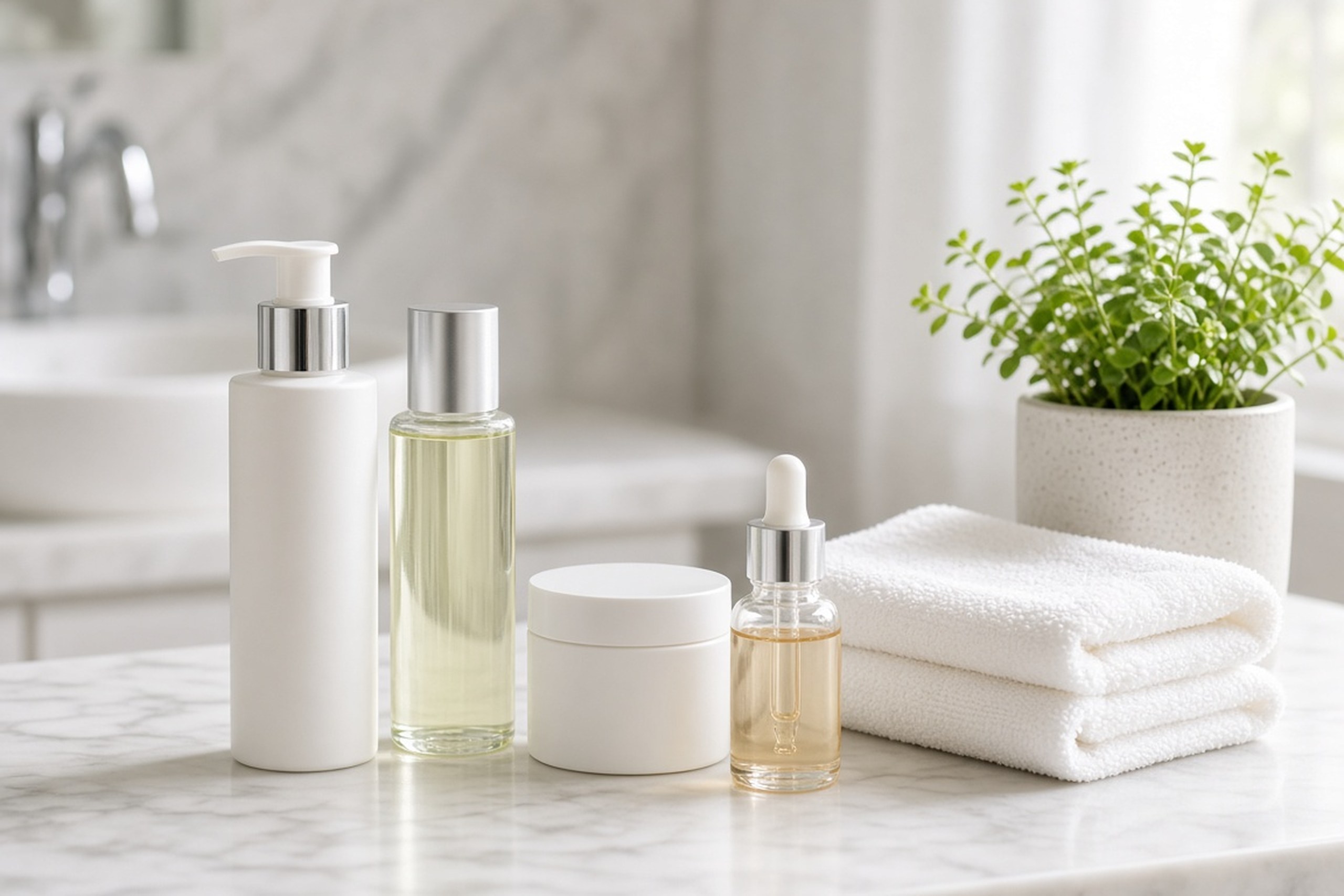
Walk down any personal care aisle or scroll through social media, and you’ll find endless skincare products promising glowing, flawless skin. With so many cleansers, serums, and creams to choose from, it’s easy to feel confused about what you actually need. The truth is that a good skincare routine doesn’t have to be complicated or expensive. A few well-chosen steps, matched to your skin type and used consistently, can make a real difference. Here’s how to build a simple skincare routine that works for you.
Start by Identifying Your Skin Type
Knowing your skin type is the foundation of a good routine, because it guides which products and textures will suit you best. Most people fall into one of a few general categories:
- Normal skin: Feels balanced, neither very oily nor very dry, with few sensitivities.
- Oily skin: Looks shiny, especially on the forehead, nose, and chin, and may be prone to breakouts.
- Dry skin: Feels tight, rough, or flaky and may look dull.
- Combination skin: Oily in some areas, usually the center of the face, and normal or dry elsewhere.
- Sensitive skin: Reacts easily to products or weather with redness, stinging, or itching.
A simple way to check is to wash your face with a gentle cleanser, pat it dry, and wait about an hour without applying anything. Notice how your skin looks and feels. Keep in mind that your skin can change with the seasons, age, and lifestyle.
Keep the Core Routine Simple
For most people, an effective daily routine comes down to three basic steps: cleanse, moisturize, and protect with sunscreen. These steps help keep skin clean, comfortable, and shielded from sun damage.
Once you’ve built these habits, you can add targeted products if you want to address specific concerns. Starting simple also makes it easier to tell which products work for you and which ones might be causing problems.
Choose a Gentle Cleanser
Cleansing removes dirt, oil, sweat, and makeup that build up during the day. Look for a gentle cleanser that leaves your skin feeling clean but not tight or squeaky. Harsh soaps and scrubs can strip away natural oils and irritate the skin.
People with oily skin often prefer gel or foaming cleansers, while those with dry or sensitive skin may find creamy, hydrating cleansers more comfortable. Use lukewarm water rather than hot water, and pat your face dry with a clean towel.
Find the Right Moisturizer
Moisturizer helps your skin hold on to water and supports its natural protective barrier. Every skin type benefits from moisturizing, including oily skin. Skipping it can sometimes cause skin to feel tight or produce even more oil.
Choose a texture that matches your needs. Lightweight lotions and gels work well for oily or combination skin, while richer creams suit dry skin. If you’re prone to breakouts, look for products labeled non-comedogenic, which are formulated to avoid clogging pores.
Make Sunscreen a Daily Habit
Sunscreen is one of the most important steps in any skincare routine. Sun exposure can contribute to premature aging, dark spots, and skin damage, even on cloudy days or when you’re mostly indoors near windows.
Dermatologists generally recommend a broad-spectrum sunscreen with SPF 30 or higher for daily use. Apply it as the last step of your morning routine and reapply when you’re outdoors for extended periods, especially after swimming or sweating.
Build Morning and Evening Routines
Your morning and evening routines can be slightly different. In the morning, focus on protection: cleanse or simply rinse with water, apply moisturizer, and finish with sunscreen.
In the evening, focus on cleansing and repair. Remove makeup and sunscreen thoroughly, cleanse, and apply moisturizer. Evening is also a good time to use any targeted treatments, since many are best applied when you won’t be in the sun.
Add Targeted Treatments Carefully
Once your basic routine feels comfortable, you might consider products for specific concerns such as breakouts, dullness, uneven tone, or fine lines. Serums and treatments contain concentrated ingredients designed to address particular issues.
Introduce only one new product at a time and give it several weeks before judging the results. Using too many active ingredients at once can overwhelm the skin and lead to irritation.
Patch Test New Products
Before using a new product on your whole face, try a patch test. Apply a small amount to a discreet area, such as behind your ear or on your inner arm, and wait a day or two to see if any redness, itching, or swelling develops.
Patch testing is especially important if you have sensitive skin or a history of allergies. If a product causes discomfort, stop using it.
Remember That Lifestyle Matters
Healthy skin isn’t only about what you put on it. Getting enough sleep, drinking water, eating a balanced diet, managing stress, and avoiding smoking can all support your skin’s overall health.
Simple habits help too. Change your pillowcase regularly, clean your phone screen, and avoid touching your face throughout the day.
Be Patient and Consistent
Skincare results take time. Your skin naturally renews itself over a period of weeks, so most products need consistent use before you notice a difference. Switching products too often makes it hard to know what’s working and can unsettle your skin.
Try to stick with your routine for at least a month before deciding whether to make changes. Keeping simple notes about what you use and how your skin responds can help you spot patterns over time.
Know When to See a Professional
If you’re dealing with persistent acne, severe dryness, ongoing redness, or any changes in moles or skin spots, it’s a good idea to see a dermatologist or healthcare provider. A professional can diagnose skin conditions and recommend treatments tailored to you. They can also help you choose products if you have a skin condition, are pregnant, or take medications that affect your skin.
Caring for Your Skin With Confidence
A simple, consistent skincare routine is one of the kindest things you can do for yourself. By understanding your skin type, choosing gentle products, and protecting your skin from the sun every day, you’ll build habits that support healthy, comfortable skin for years to come. Be patient, listen to your skin, and enjoy the process.