
If you love cooking and find yourself sharing recipes with friends, a food blog can be a wonderful way to turn that passion into a creative outlet. A blog gives you a home for your favorite dishes, a place to tell the stories behind them, and a way to connect with people who share your love of good food. Starting one is easier than many people think, but building a loyal audience takes planning and patience. Here’s how to start a food blog and grow a community of readers who keep coming back for more.
Find Your Food Niche
There are countless food blogs online, so it helps to have a clear focus. Your niche might be quick weeknight dinners, plant-based meals, baking, budget-friendly cooking, regional or family recipes, or cooking for a particular diet. A specific angle makes it easier for readers to understand what you offer and why they should follow you.
Choose something you genuinely enjoy and could write about for years. Your enthusiasm will shine through in your posts, and it will keep you motivated when growth feels slow.
Pick a Name and Blogging Platform
Your blog’s name should be memorable, easy to spell, and connected to your style or niche. Check that a matching domain name is available, along with usernames on the social media sites you plan to use.
Next, choose a platform. Some bloggers prefer a self-hosted website for full control and flexibility, while others start with a hosted service that handles the technical details. Look for a clean, mobile-friendly design, since many people read recipes on their phones while they cook.
Learn to Write Great Recipes
A recipe is a set of instructions that someone else needs to follow successfully in their own kitchen. List ingredients in the order they’re used, give clear measurements, and break the method into simple, numbered steps. Mention pan sizes, cooking times, and visual cues such as “until golden brown” to help readers know when each step is done.
Always test your recipes, ideally more than once, before publishing. Reliable recipes build trust, and trust is what turns a casual visitor into a loyal reader.
Tell the Story Behind the Dish
Readers love knowing why a recipe matters to you. Maybe it’s your grandmother’s holiday bread, a dish you discovered while traveling, or a shortcut you invented on a busy night. A short, personal introduction adds warmth and personality to your posts.
Keep stories relevant and helpful, though. Many readers appreciate tips on substitutions, storage, and make-ahead options more than long personal essays. Including a “jump to recipe” button is a thoughtful touch for visitors in a hurry.
Invest Time in Food Photography
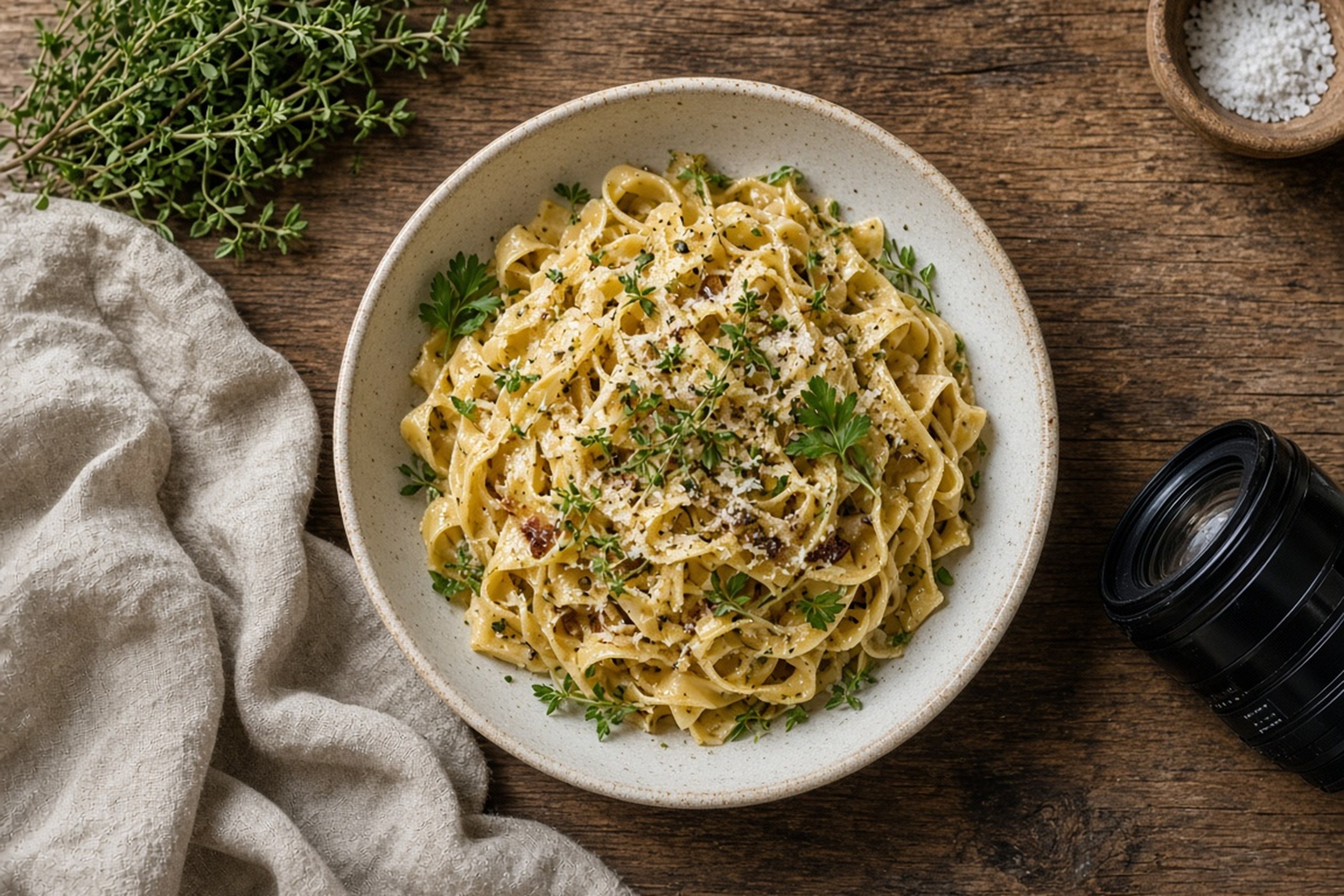
People eat with their eyes first, and beautiful photos are often what draws readers to a recipe. You don’t need expensive equipment to start. A modern smartphone and good natural light from a window can produce lovely results.
A few simple habits will improve your photos quickly:
- Use soft, natural light: Shoot near a window and avoid harsh overhead lighting or flash.
- Keep backgrounds simple: Wooden boards, plain plates, and neutral linens let the food stand out.
- Try different angles: Overhead shots work well for flat dishes, while side angles suit layered foods.
- Show the process: Step-by-step photos help readers follow along with confidence.
Make Your Blog Easy to Navigate
Organize your recipes into clear categories such as breakfast, mains, desserts, or vegetarian dishes. Add a search bar so readers can quickly find what they’re craving. A recipe card with a print option is especially helpful for people who like to cook from paper.
Keep page design uncluttered and make sure your site loads quickly. A fast, easy-to-use blog encourages readers to stay longer and explore more of your recipes. An “About” page that introduces you and your cooking style also helps new visitors feel connected and understand what makes your blog unique.
Learn the Basics of Search Optimization
Many readers find recipes by searching online, so learning a few search optimization basics can make a big difference. Use clear, descriptive recipe titles that match what people type, such as “easy lemon garlic chicken” rather than a clever but vague name.
Write helpful introductions that answer common questions, use descriptive file names for your images, and add brief image descriptions. Over time, consistent, high-quality posts help search engines understand what your blog is about.
Share Your Recipes on Social Media
Social media is a powerful way to reach new readers. Short cooking videos, eye-catching photos, and behind-the-scenes moments from your kitchen can all spark interest. Choose one or two platforms where your ideal audience spends time rather than trying to be everywhere at once.
Engage with your followers by replying to comments, answering questions, and sharing photos from readers who’ve made your recipes. These interactions help build a genuine community around your blog.
Build an Email List
An email newsletter gives you a direct line to your most loyal readers. Offer a simple reason to sign up, such as a weekly recipe roundup, seasonal meal ideas, or a free collection of favorite recipes.
Unlike social media, where algorithms decide who sees your posts, email lets you reach subscribers directly. Send updates consistently and keep them friendly, useful, and focused on great food.
Stay Consistent and Patient
Growing a food blog takes time. Set a realistic publishing schedule, whether that’s one recipe a week or two a month, and stick to it. Consistency helps readers know when to expect new content and shows search engines that your site is active.
Pay attention to which recipes your readers enjoy most and create more content along those lines. Small improvements, made steadily, add up over months and years.
Sharing Your Love of Food
A food blog is a delightful way to share your cooking, your stories, and your creativity with the world. Focus on reliable recipes, inviting photos, and genuine connection with your readers. With patience and a steady stream of delicious ideas, your blog can become a trusted kitchen companion for food lovers everywhere.