
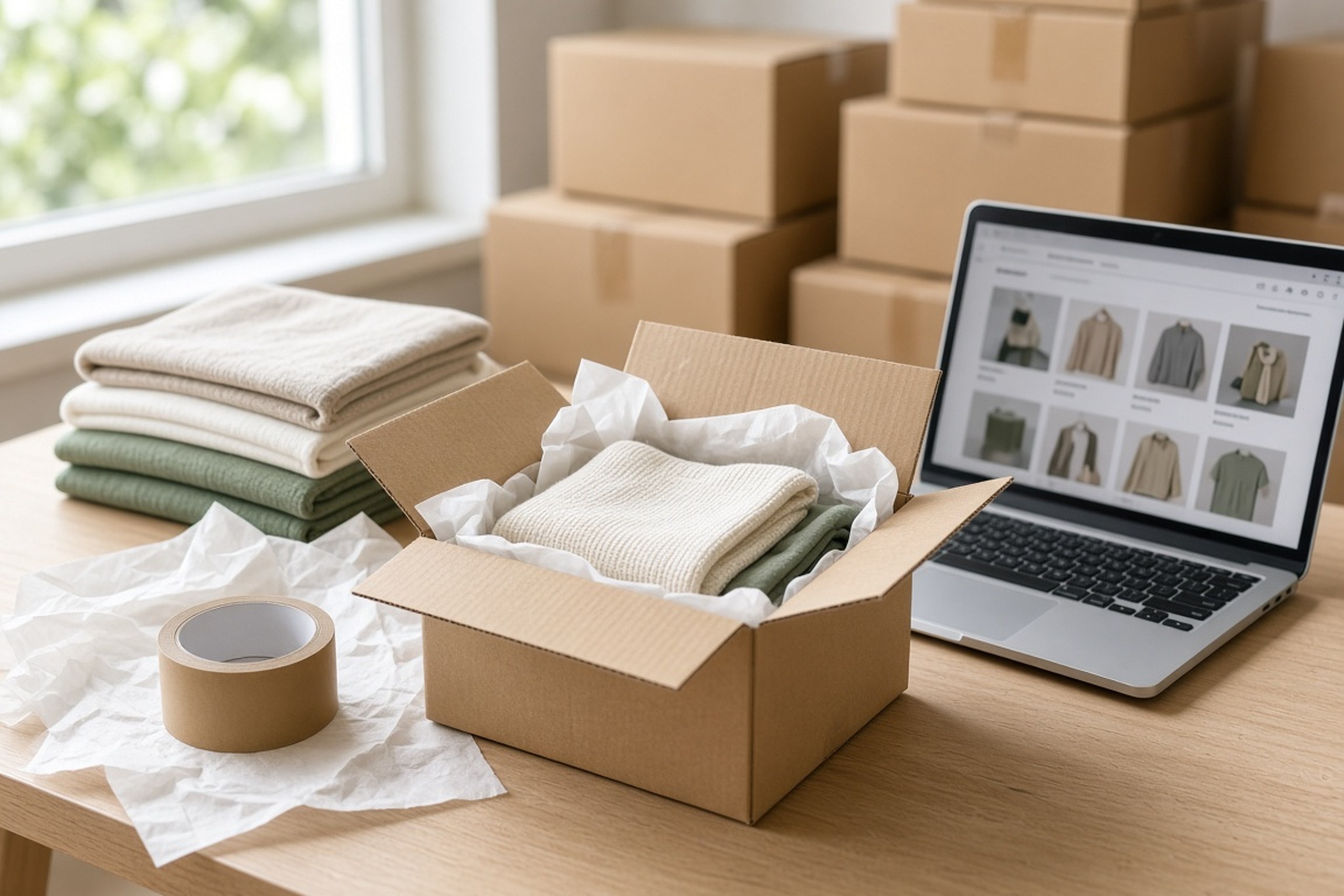
Selling online has never been more accessible. Whether you make handmade goods, resell products you love, or want to take an existing shop digital, an online store lets you reach customers far beyond your neighborhood, at any hour of the day. Still, getting started can feel confusing, with so many platforms, tools, and decisions to make. The good news is that a clear plan makes the process much simpler. Here’s how to start an online store and choose an e-commerce platform that fits your goals.
Define What You Want to Sell
Every successful store begins with a clear idea of its products and its customers. Think about what you’re passionate about, what you know well, and what people are actively looking for. A focused product range is usually easier to market than a store that tries to sell a little of everything.
Spend some time researching your market. Look at how similar products are priced, what customers praise or complain about in reviews, and where there might be a gap you can fill. Knowing who your ideal customer is will guide nearly every decision that follows, from your branding to your shipping options.
Decide How You’ll Source Your Products
There are several ways to stock an online store, and each has its own advantages:
- Making your own products: Ideal for crafters and creators, offering full control over quality and a unique story to share.
- Buying wholesale: Purchasing in bulk from manufacturers or distributors and reselling at a markup.
- Dropshipping: A supplier stores and ships products directly to your customers, so you don’t hold inventory.
- Print on demand: Custom designs are printed on items like shirts or mugs only after an order is placed.
Consider how much money you can invest upfront, how much storage space you have, and how much control you want over packaging and quality.
Choose Between a Marketplace and Your Own Website
Online marketplaces let you list products where shoppers are already browsing, which can make it easier to get your first sales. However, you’ll usually pay listing or transaction fees, follow the marketplace’s rules, and compete with many other sellers on the same page.
Your own website gives you more control over your branding, customer relationships, and store design. The tradeoff is that you’re responsible for bringing in visitors. Many sellers start on a marketplace to test demand and later add their own site, or run both side by side.
Compare E-commerce Platform Features
If you decide to build your own store, you’ll find hosted platforms that handle the technical side for a monthly fee, as well as self-hosted options that offer more flexibility but require more hands-on management. When comparing them, look closely at the features that matter for your business.
Check how easy the store builder is to use, whether it offers attractive templates that work well on phones, and how it handles inventory, discounts, and taxes. Look at the available integrations for email marketing, accounting, and shipping. Most platforms offer free trials, so take advantage of them before committing.
Understand the Costs Involved
The price of running an online store goes beyond the platform’s subscription. Payment processing fees, themes, apps, domain names, and transaction fees can all add up. Make a simple list of expected monthly and per-sale costs so you can price your products with a healthy profit margin.
Don’t forget packaging materials, shipping supplies, and marketing expenses. Knowing your true costs from the start helps you avoid pricing mistakes that can be hard to fix later.
Set Up Secure Payment Options
Customers want checkout to be quick, simple, and safe. Offer the payment methods your audience is most likely to use, such as credit and debit cards and popular digital wallets. Most e-commerce platforms include built-in payment processing or connect easily with established payment providers.
Make sure your store uses a secure connection and that your checkout process is clear about totals, taxes, and shipping costs. Surprise fees at the final step are a common reason shoppers abandon their carts.
Create Great Product Listings
Your product pages do the work of a salesperson, so make them count. Use clear, well-lit photos that show your products from several angles, and include close-ups of important details. A plain background and natural light can produce professional-looking images even with a smartphone.
Write descriptions that answer the questions customers would ask in person. Include sizes, materials, care instructions, and what makes the product special. Honest, detailed listings build trust and reduce returns.
Plan Your Shipping and Fulfillment
Decide how you’ll pack and ship orders before your first sale arrives. Compare carrier rates, decide whether you’ll offer free shipping, flat rates, or calculated rates, and set realistic delivery times. Clear shipping information on your site helps customers know exactly what to expect.
As your store grows, you might consider outsourcing fulfillment to a third-party warehouse. In the beginning, though, handling orders yourself helps you understand the process and keep costs down.
Write Clear Store Policies
Clear policies protect both you and your customers. Create easy-to-find pages explaining your return and refund policy, shipping times, privacy practices, and terms of service. Be sure to follow the consumer protection and tax rules that apply where you and your customers are located.
Good policies reduce confusion, set expectations, and make shoppers more comfortable buying from a store they haven’t used before.
Market Your Store
Even the most beautiful store needs visitors. Start by sharing your shop with friends, family, and your social media followers. Build an email list from day one, since it gives you a direct way to share new products and special offers.
Learn the basics of search engine optimization by using clear product titles and descriptions that match what customers search for. Social media, collaborations with creators, and content such as how-to guides can all help people discover your brand.
Focus on Customer Service
Excellent service can set a small store apart from larger competitors. Respond to questions promptly, keep customers updated about their orders, and handle problems with patience and fairness. A handwritten thank-you note or thoughtful packaging can turn a first-time buyer into a loyal fan.
Encourage happy customers to leave reviews, and pay attention to feedback. It’s one of the best sources of ideas for improving your products and service.
Growing Your Online Business
Starting an online store is a journey, not a single launch day. Begin with a focused product line, choose a platform that fits your budget and skills, and keep learning from your sales and customer feedback. With steady effort and a commitment to great service, your online store can grow into a rewarding and successful business.