
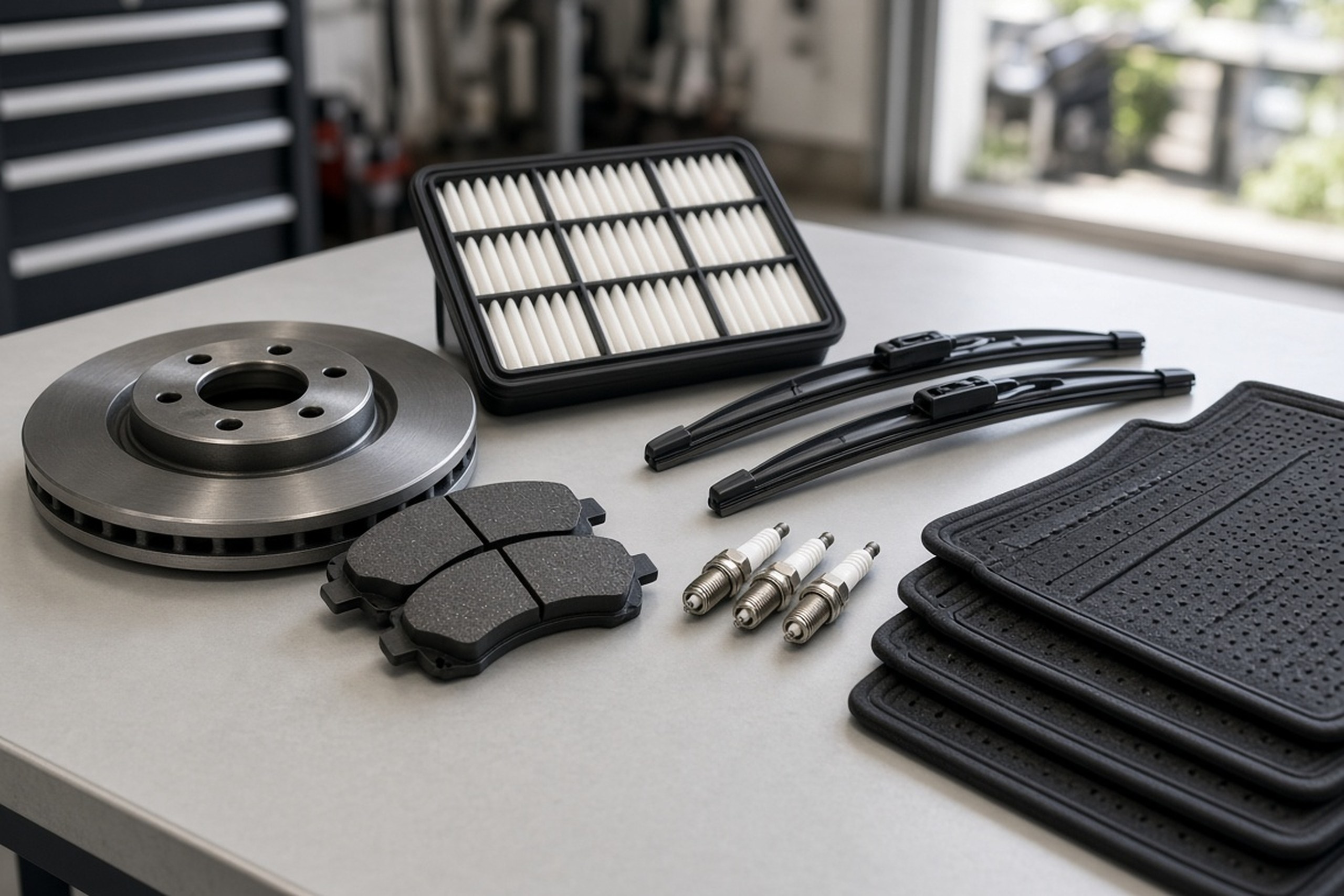
Sooner or later, every car needs new parts. Brake pads wear down, wiper blades streak, filters clog, and you might also want a few accessories that make driving more comfortable or practical. With so many options available, from original manufacturer parts to a huge range of aftermarket products, choosing the right ones can feel overwhelming. The key is knowing exactly what your car needs and where quality matters most. In this guide, we’ll walk through how to identify the correct parts, compare your options, shop wisely, and decide when to install them yourself or leave it to a professional.
Know Your Vehicle Inside and Out
Compatibility starts with accurate details about your car. You’ll want the make, model, model year, engine size, and trim level. Small differences between versions of the same model can mean a part that fits one won’t fit another.
Your vehicle identification number, often printed on the dashboard near the windshield and on your registration documents, is the most reliable reference. Many parts retailers let you enter it to filter results to parts that match your exact car.
Check Your Owner’s Manual First
The owner’s manual is an underrated resource. It lists recommended fluids, bulb types, tire sizes, filter specifications, and maintenance intervals, which helps you buy the right item the first time.
If you’ve lost the printed manual, many manufacturers make digital versions available online. Keep a note of the specifications you use most so they’re handy the next time you shop.
Understand OEM and Aftermarket Parts
Original equipment manufacturer parts, often called OEM parts, are made to the same specifications as the components your car came with. They usually offer a reliable fit and consistent quality, though they can cost more.
Aftermarket parts are produced by other companies and vary widely. Some match or exceed original quality at a lower price, while others cut corners. Reading product details and choosing well-reviewed options helps you find good value without sacrificing safety.
Prioritize Quality for Safety-Critical Parts
Not every part deserves the same budget. Components that affect braking, steering, suspension, and tires have a direct impact on your safety and the safety of others on the road.
For these items, choose trusted quality and follow the manufacturer’s specifications closely. You can save money elsewhere, such as on cosmetic accessories, but it’s wise not to compromise on parts that help you stop, steer, and stay in control.
Learn the Common Wear Items
Some parts are designed to be replaced regularly, and knowing them helps you plan ahead and budget sensibly.
Here are some of the most common:
- Brake pads and discs: These wear with use and should be checked whenever your tires are rotated or serviced.
- Filters: Engine air, cabin air, oil, and fuel filters all need periodic replacement.
- Wiper blades: Rubber hardens over time, so replacing them helps keep your view clear in bad weather.
- Bulbs: Headlights, brake lights, and indicators should always work properly.
- Batteries: Most car batteries need replacing every few years, especially in very hot or cold climates.
Pay Attention to Warning Signs
Your car often tells you when something needs attention. Squealing or grinding brakes, a dashboard warning light, a car that pulls to one side, slow engine starts, or unusual vibrations are all worth investigating promptly.
Catching problems early usually means a simpler, cheaper fix. If you’re unsure what a symptom means, a mechanic can diagnose the issue so you buy the correct part instead of guessing and replacing things that were working fine.
Choose Accessories That Add Real Value
Accessories can make your car more comfortable, practical, and protected. Popular choices include all-weather floor mats, seat covers, phone mounts, roof racks, sunshades, and cargo organizers.
Before buying, think about how you really use your vehicle. A family that takes road trips may benefit from storage solutions, while someone who drives in snowy weather might value rubber mats and a good ice scraper more than decorative extras.
Compare Where You Buy
You can buy parts from local auto parts stores, dealerships, independent garages, and online retailers. Local stores are great when you need something quickly and want help confirming the fit in person.
Online shopping often offers more choice and competitive prices, but delivery times and return shipping should be part of your decision. Whichever you choose, use the seller’s fitment tools and double-check part numbers before ordering.
Read Warranties and Return Policies
Warranties vary a lot between brands and sellers. Some parts come with limited coverage, while others offer longer guarantees. Knowing the terms can save you money if a part fails early.
Check the return policy too, especially for electrical items that may not be returnable once installed. Keep receipts and packaging until you’re sure the part fits and works correctly.
Decide Between DIY and Professional Installation
Many simple jobs, such as replacing wiper blades, cabin air filters, or interior accessories, are easy to do at home with basic tools and a few clear instructions.
More complex work, like brakes, suspension, timing components, or anything involving airbags, is often best left to a qualified mechanic. A professional has the right equipment and experience, and correct installation is just as important as choosing a good part.
Keep a Simple Maintenance Record
Writing down what you replaced, when, and at what mileage makes future maintenance much easier. It helps you spot patterns, avoid replacing parts too early, and remember which brands worked well for you.
A maintenance record can also add value when you sell your car, since buyers appreciate seeing that a vehicle has been cared for properly.
Keeping Your Car Running at Its Best
Choosing the right parts and accessories comes down to knowing your vehicle, buying quality where it matters, and shopping thoughtfully. With accurate details and a little research, you can avoid costly mistakes and returns.
Whether you tackle simple jobs yourself or work with a trusted mechanic, the right parts will help your car stay safe, reliable, and enjoyable to drive for many miles to come.