
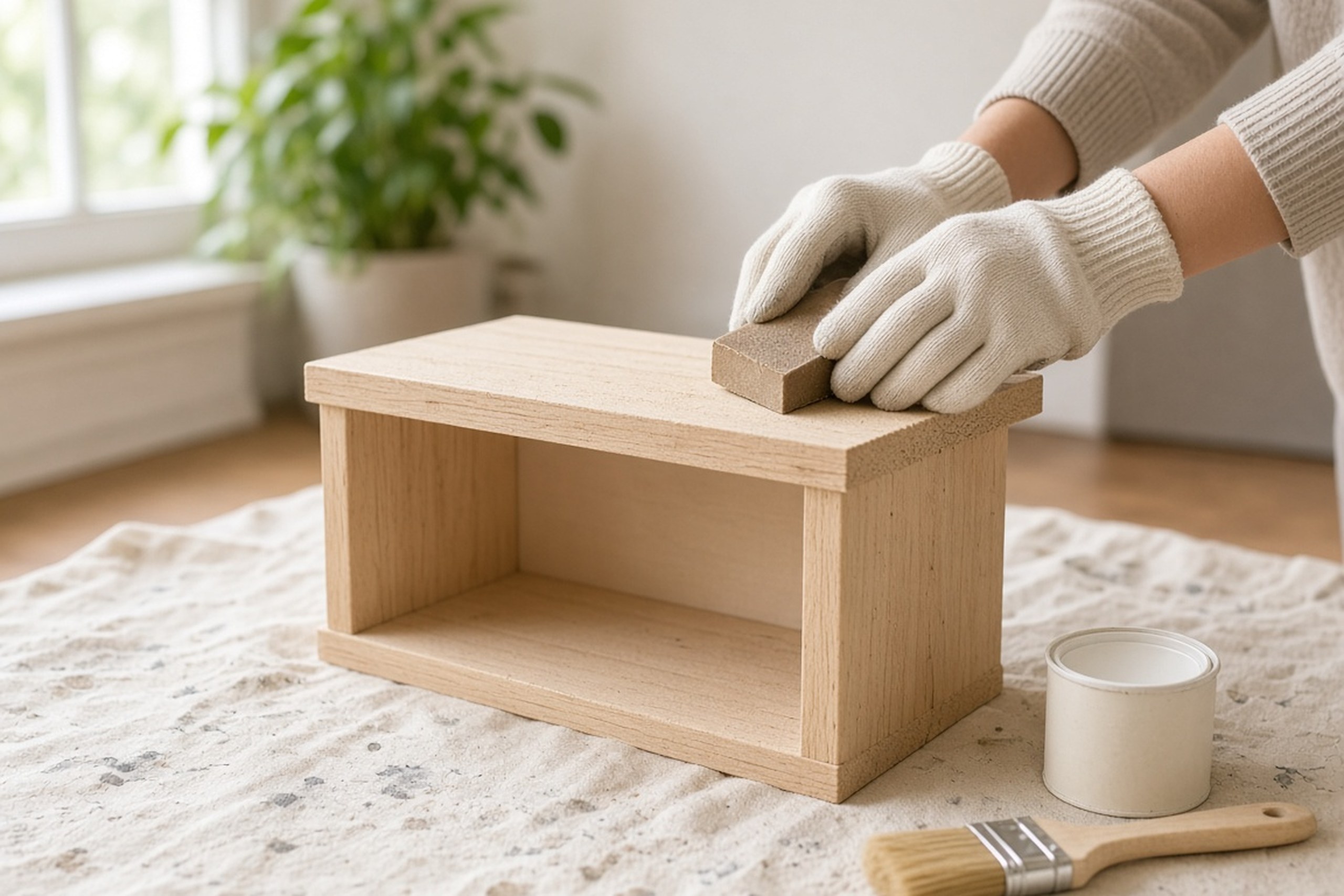
Taking on a DIY project for the first time can feel a little intimidating, but it’s also one of the most satisfying ways to spend a weekend. With a few basic tools, some patience, and the right starter project, you can refresh a room, fix small annoyances, and build confidence for bigger jobs later. The key is choosing projects that are simple, forgiving, and finished in a day or two. In this guide, we’ll share beginner-friendly project ideas, the tools you’ll want on hand, and practical tips to help everything go smoothly.
Why Starting Small Makes Sense
Beginning with small projects lets you learn without too much pressure. If something doesn’t turn out perfectly, it’s easy to redo or adjust. Each finished job teaches you new skills, from measuring accurately to using a drill with confidence.
Small wins also keep you motivated. Seeing a freshly painted shelf or a neatly hung picture wall gives you a real sense of accomplishment and makes it easier to say yes to your next project.
Build a Simple Starter Tool Kit
You don’t need a garage full of equipment to get started. A modest, good-quality tool kit will cover most beginner projects and serve you well for years.
Here are the essentials worth having:
- Measuring tape and level: Accurate measurements and straight lines make every project look more professional.
- Screwdrivers and a hammer: These handle countless small fixes and assembly jobs.
- Cordless drill: A versatile tool for drilling holes and driving screws quickly.
- Sandpaper and a sanding block: Essential for smoothing wood before painting or finishing.
- Safety gear: Gloves, safety glasses, and a dust mask protect you while you work.
Paint an Accent Wall
Painting a single wall is one of the easiest ways to transform a room. It requires few tools, delivers a big visual change, and is very forgiving for beginners.
Take your time with preparation. Clean the wall, use painter’s tape along edges, and lay down a drop cloth. Two thin coats usually look better than one thick one, so be patient and let each coat dry properly.
Refresh an Old Piece of Furniture
Upcycling furniture is a fun and budget-friendly project. A dated side table, dresser, or wooden chair can look brand new with a light sanding, a coat of primer, and fresh paint or stain.
New knobs or handles can add even more personality. This kind of project lets you practice sanding, painting, and simple hardware changes, all skills you’ll use again and again.
Build a Simple Floating Shelf
Floating shelves are practical, stylish, and a great introduction to working with wall anchors and brackets. Many hardware stores sell shelf kits that include everything you need, which makes the process even easier.
The most important step is finding the right fixing points. Use a stud finder or the correct wall anchors for your wall type, and check that the shelf is level before tightening everything down.
Create a Gallery Wall
Arranging a gallery wall of photos, prints, or mirrors is a creative project that needs very little equipment. It’s also a great way to personalize your space.
Start by laying your frames out on the floor to plan the arrangement. Some people trace each frame onto paper and tape the shapes to the wall first, which makes it easy to adjust spacing before making any holes.
Tackle Small Repairs Around the Home
Simple fixes can make a noticeable difference in how your home feels. These jobs are perfect for building confidence:
- Fill nail holes and small cracks: A bit of filler and light sanding leaves walls looking smooth.
- Tighten loose handles and hinges: A screwdriver can stop cabinet doors from sagging.
- Replace a shower head: Many models twist on easily with basic tools.
- Refresh caulk: Replacing worn caulk around a bath or sink makes the area look cleaner.
Start a Container Garden
If you prefer outdoor projects, a container garden is a relaxing weekend activity. Herbs, flowers, or small vegetables can thrive in pots on a balcony, patio, or sunny windowsill.
You can even build or paint your own planters for a personal touch. Choose plants that suit your light conditions and climate, and make sure containers have drainage holes to keep roots healthy.
Plan Before You Start
A little planning prevents many common mistakes. Read instructions fully, gather materials in advance, and set aside more time than you think you’ll need. Rushing is often what leads to uneven paint lines or crooked shelves.
Online tutorials and how-to videos can be very helpful for seeing each step in action. Watching someone else complete a similar project helps you know what to expect.
Keep Safety in Mind
Even simple projects deserve a safety-first approach. Wear protective gear, keep your workspace tidy, and make sure rooms are well ventilated when using paint or adhesives.
Know your limits, too. Electrical wiring, gas lines, and major plumbing or structural work are best left to qualified professionals. There’s no shame in calling in help for jobs that carry real risk.
Choose Materials That Forgive Mistakes
Some materials are much easier to work with than others when you’re learning. Soft woods like pine are simple to cut, sand, and paint, and they’re usually affordable, so a small error won’t feel costly. Water-based paints dry faster, clean up with soap and water, and tend to have a milder smell than many oil-based options.
It also helps to buy a little extra. Having spare screws, an additional sheet of sandpaper, or a bit more paint than you need means you won’t have to stop halfway through a project for a last-minute shopping trip. Keep receipts too, since many stores accept returns on unopened supplies.
Enjoying the Pride of a Finished Project
Beginner DIY projects are a wonderful way to make your home feel more like yours while learning useful skills along the way. Start with something small and achievable, gather a few reliable tools, and take your time with each step. Before long, you’ll look around your home and see the results of your own hands, and you’ll probably be planning your next weekend project already.