
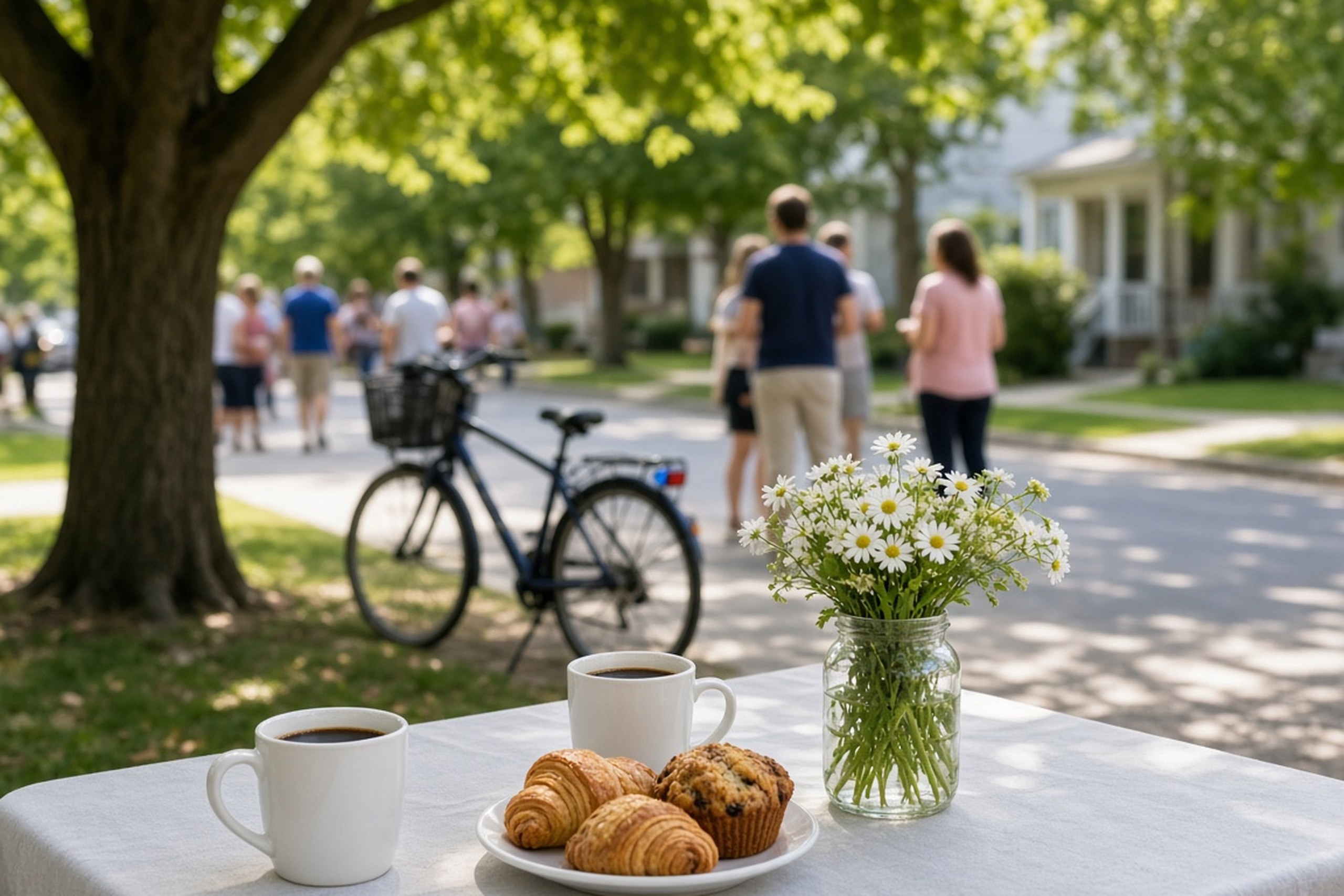
Strong communities are built on trust, communication, and a shared commitment to keeping neighborhoods safe. Local law enforcement plays an important part in that effort, but safety works best when residents and officers know and understand each other. Building a positive relationship doesn’t require special training or a big time commitment. Here are practical ways you can connect with the officers who serve your area, stay informed, and help create a safer, more welcoming community for everyone.
Why Community Relationships Matter
When residents and officers know one another, communication tends to flow more easily. People feel more comfortable sharing concerns, asking questions, and reporting problems, and officers gain a better understanding of what matters most to the neighborhoods they serve.
This kind of trust benefits everyone. It can make it easier to solve local issues, respond to concerns early, and create an atmosphere where people feel heard and respected.
Get to Know Your Local Department
A good first step is simply learning how your local police department or sheriff’s office is organized. Many departments divide their area into districts, precincts, or beats, and some assign specific officers to particular neighborhoods.
Visit your department’s official website or social media pages to find out which station serves your area, how to reach it, and what programs it offers. Knowing who to contact before you need help can save time and reduce stress later.
Attend Community Meetings
Many departments host regular community meetings, town halls, or district forums where residents can hear updates and share concerns. These gatherings are a great opportunity to meet officers and supervisors in a relaxed setting.
Come prepared with questions or topics that matter to you, such as traffic safety, parking, or local events. Listening to your neighbors’ perspectives can also help you better understand the needs of your wider community.
Join or Start a Neighborhood Watch
Neighborhood watch groups bring residents together to look out for one another and share safety information. These groups often work with local officers who can offer guidance on recognizing and reporting concerns appropriately.
If your area doesn’t have a group yet, ask your department whether it supports starting one. Some helpful practices for a successful group include:
- Clear communication: Use a simple group chat, email list, or newsletter to share updates.
- Regular meetings: Gather a few times a year to discuss concerns and invite an officer to attend.
- Respectful observation: Focus on noticing and reporting, and leave enforcement to trained professionals.
- Welcoming attitude: Encourage new neighbors to join so everyone feels included.
Take Part in Community Programs
Many departments offer programs designed to help residents learn more about how local policing works. These can include citizen academies, ride-along programs, youth mentoring, school safety initiatives, and annual community events.
Participating in these programs gives you a behind-the-scenes look at daily responsibilities and the challenges officers face. It also gives officers a chance to hear your perspective, which helps build understanding in both directions.
Know When and How to Call
Understanding the difference between emergency and non-emergency situations is an important part of working well with law enforcement. Use your local emergency number for situations where someone’s safety is at immediate risk or a crime is in progress.
For concerns that aren’t urgent, such as a noise complaint, a minor property issue, or a question, use your department’s non-emergency line or online reporting tool if one is available. Keeping emergency lines free for urgent calls helps everyone get the right response.
Communicate Respectfully and Clearly
Whether you’re reporting a concern, asking for information, or speaking with an officer during a routine encounter, clear and calm communication goes a long way. Share the facts you know, describe what you saw, and answer questions as best you can.
If you have feedback about your experience, most departments have a formal process for compliments and complaints. Using these official channels ensures your voice is heard and gives the department useful information to improve its service.
Support Local Safety Initiatives
Small actions can make a meaningful difference in neighborhood safety. Well-lit streets, tidy public spaces, and engaged neighbors all contribute to a community where people feel comfortable and connected.
You might volunteer for a community cleanup, help organize a block party, or support local youth programs. Many departments take part in these events, offering another relaxed opportunity to connect and share ideas.
Stay Informed About Your Area
Following your department’s official updates can help you stay aware of road closures, safety alerts, scam warnings, and upcoming events. Many agencies share information through websites, newsletters, and local news outlets.
Staying informed also makes it easier to take part in local conversations about public safety. When residents understand current issues, community discussions tend to be more productive and focused on solutions.
Encourage Positive Connections for Young People
Young people benefit greatly from positive interactions with community helpers. Programs such as school visits, sports leagues, safety fairs, and mentoring initiatives can help children and teens see officers as approachable members of their community.
Parents and caregivers can support these connections by talking openly about safety, explaining when to ask for help, and encouraging kids to take part in community events.
Show Appreciation and Offer Constructive Feedback
Officers often hear from residents only when something has gone wrong, so a simple thank-you can mean a lot. A kind note, a positive comment at a community meeting, or recognition through your department’s official feedback channel helps acknowledge good work.
At the same time, honest and constructive feedback is valuable too. Sharing your ideas calmly and respectfully, and suggesting practical solutions, helps the department understand community priorities and shows that you care about working together to improve local safety.
Building a Safer Community Together
A positive relationship with law enforcement grows through everyday actions: showing up, listening, communicating clearly, and working together on shared goals. Every conversation and community event helps strengthen the bonds that keep neighborhoods safe and welcoming.
By staying engaged and approaching each interaction with respect, you can help create a community where residents and officers support one another. Together, you can make your neighborhood an even better place to live, work, and raise a family.