
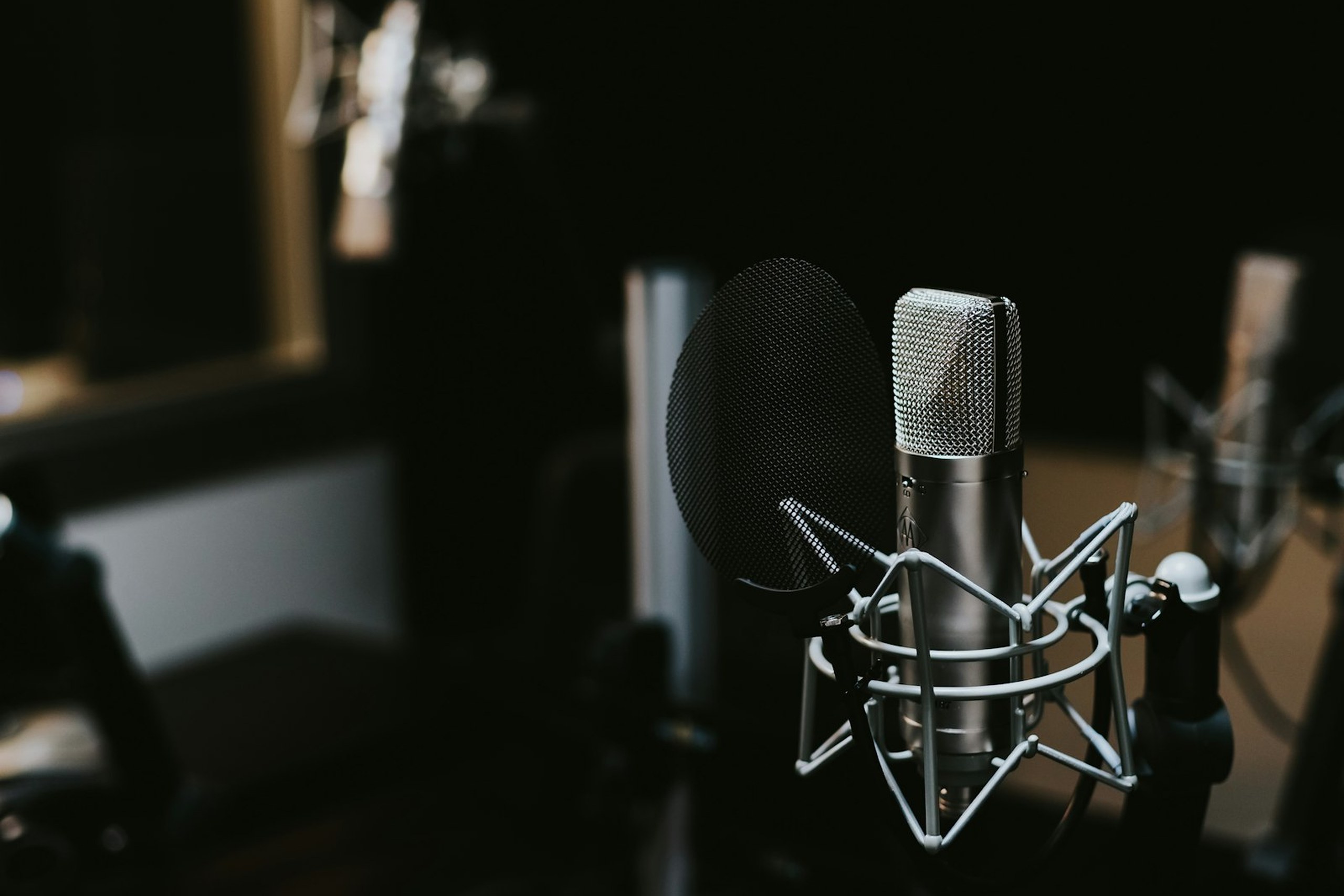
Podcasts make it easy to learn, unwind, or keep up with news while you commute, cook, or walk. The challenge is not a lack of shows. It is finding episodes that actually fit your taste without scrolling forever. With a few simple habits, you can build a personal listening list that feels fresh rather than overwhelming. This guide explains how to discover podcasts, sample them wisely, and set up a routine that fits your day.
Start With Topics You Already Care About
Begin with subjects you already enjoy in books, videos, or conversations. Cooking, local history, sports analysis, entrepreneurship, storytelling, language learning, and wellness are only a few starting points. Write three to five interest themes so your search stays focused.
Specific beats vague. “Science news for beginners” or “interview shows about small businesses” will surface better matches than a broad word like “interesting.” Clear themes also help you notice when a show drifts away from what you wanted.
Use Search, Charts, and Category Browsing Together
Open a podcast app or platform and try a few discovery paths. Search by keyword, browse category pages, and glance at popular charts in your region for inspiration. Charts show what many people are listening to right now, while categories help you dig into niches.
You can also search for a favorite author, host style, or show format. If you love long interviews, short daily briefings, or narrative documentaries, include that preference in your search language. Mixing methods usually beats relying on one homepage recommendation.
Sample Before You Subscribe
A polished trailer is useful, but a recent full episode tells you more. Listen for at least ten to fifteen minutes before deciding. Notice whether the host’s pace, humor, and depth feel comfortable, and whether guests are introduced clearly.
Ask yourself a few practical questions while you sample:
- Tone: Does the conversation feel informative, casual, intense, or playful in a way you enjoy?
- Length: Can you finish episodes in the time you usually have available?
- Structure: Are there clear segments, or does it wander in a way that loses you?
- Production: Is audio quality clean enough that listening is pleasant, not tiring?
Match Episode Length to Your Daily Windows
Think about when you will actually listen. A twenty-minute news roundup may suit a short drive, while a two-hour interview may fit weekend chores or a long walk. Choosing shows that match your natural windows makes consistency easier.
It also helps to keep a mix. One short daily show can become a habit anchor, while longer weekly episodes can be saved for deeper listening when you have more time.
Create a Small Starter Queue, Not an Endless Library
Subscribe sparingly at first. Two or three shows are enough to start. An overloaded library quickly turns into guilt and skipped episodes. Once you finish a few seasons or decide a show is not for you, unsubscribe without hesitation.
A lean queue keeps decision fatigue low. When you open your app, you should see options you are genuinely curious about rather than a wall of neglected titles.
Use Recommendations From People and Shows You Trust
Friends, colleagues, newsletters, and “related shows” suggestions can point you toward hidden gems. If a host you already enjoy recommends another podcast, that referral often shares a similar sensibility.
When someone recommends a show, ask what they like about it. “Great storytelling” and “practical weekly tips” are different promises. Knowing the reason helps you judge whether it will fit your interests too.
Adjust Playback Settings for Comfort
Most apps let you change playback speed, skip silence, or set sleep timers. A slightly faster speed can help with dense talk shows, while a slower speed may help with accents or detailed explanations. Use headphones when possible in noisy places so you catch nuance without raising volume too high.
Download episodes on Wi-Fi if your commute has weak signal. Offline files keep listening smooth and reduce frustration that can break a new habit.
Explore Local and Specialty Audio Beyond Global Hits
Podcasts are not only big international brands. Many communities, campuses, museums, and independent creators publish shows about local culture, regional news, language, and niche hobbies. Searching city names, community topics, or specific crafts can reveal smaller productions with a personal feel.
Radio-style programs and podcast feeds often overlap now. If you already enjoy certain radio formats, look for on-demand versions so you can listen when it suits you rather than only at broadcast time. Independent shows may update less often than major networks, so check the latest episode date before you commit. A slower release schedule can still be worthwhile when the topic is a perfect match for you.
Build a Simple Weekly Listening Routine
Habits stick when they attach to existing parts of your day. Pair a short show with morning coffee, a news briefing with your commute, or a storytelling episode with evening tidy-up time. Consistency matters more than listening for hours.
Review your subscriptions once a month. Keep what still feels useful or fun, and release the rest. A living list stays aligned with your current interests instead of last year’s curiosity.
Stay Curious Without Getting Overwhelmed
New shows launch constantly, so you never need to “catch up” on everything. Treat discovery as an ongoing pleasure rather than a race. Save interesting titles in a wish list and sample them when your current queue has space.
If an episode feels like a chore, skip it. Your listening time is limited, and enjoyment is a valid filter. The goal is a soundtrack for your life that informs or entertains, not another obligation.
Turning Discovery Into a Listening Habit You Enjoy
Finding podcasts that match your interests becomes easier when you start with clear topics, sample thoughtfully, and keep your queue small. Adjust playback to your comfort, mix short and long episodes, and revisit subscriptions regularly so your list stays fresh. With a little structure, radio and podcast listening can become one of the simplest ways to learn something new, feel connected to stories you care about, and make ordinary daily routines more enjoyable.