
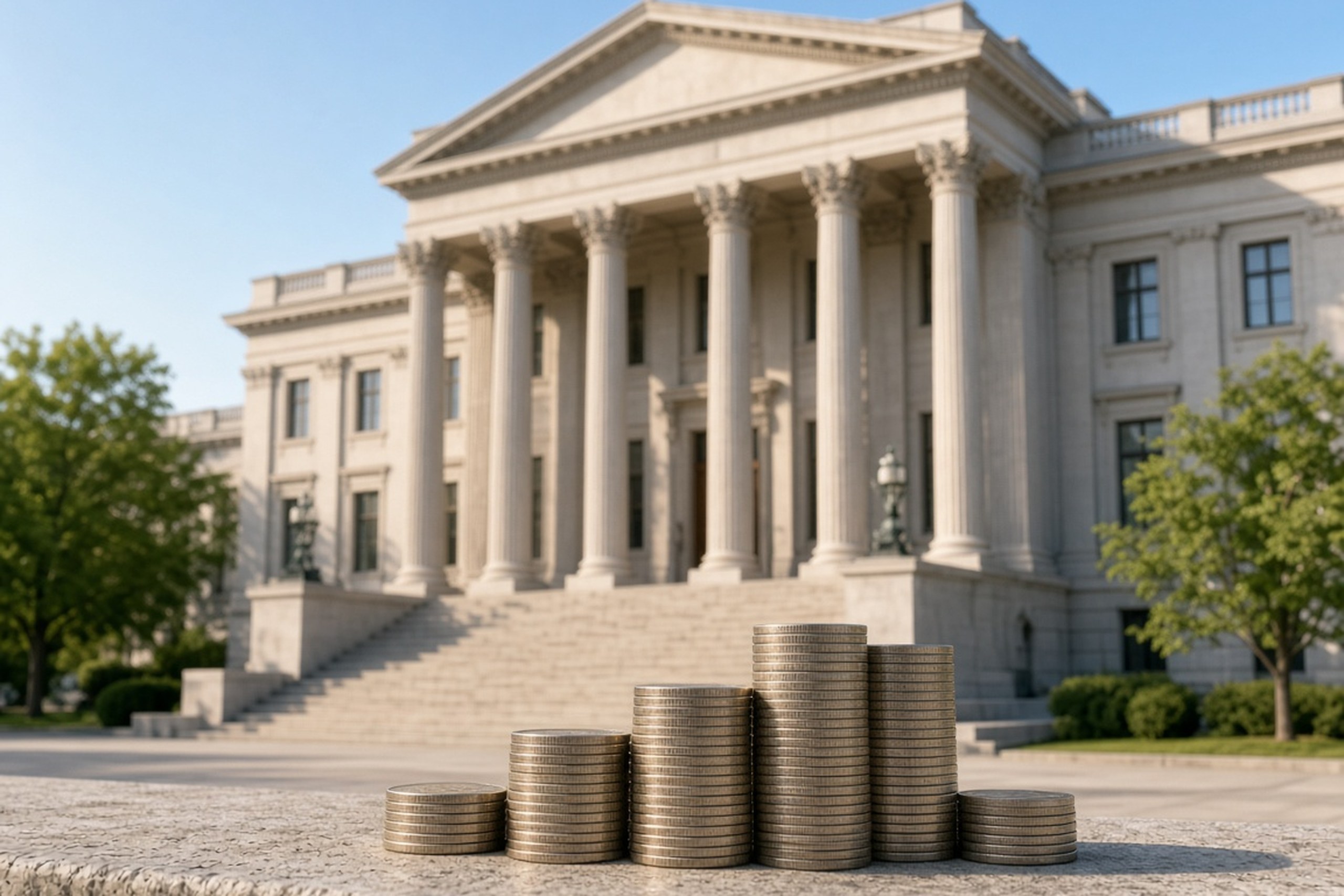
You’ve probably heard news reports about a central bank raising or lowering interest rates, but it isn’t always clear what that means for you. Central banks can seem distant and complicated, yet their decisions quietly shape the cost of borrowing, the value of your savings, and even the prices you pay at the shop. Understanding the basics can help you make smarter choices with your money. In this guide, we’ll explain what a central bank is, what it does, and how its decisions can show up in your everyday finances.
What Is a Central Bank?
A central bank is a public institution that manages a country’s or region’s money and helps keep its financial system stable. Unlike the banks where you open a current account, a central bank doesn’t usually deal with individual customers. Instead, it works with governments and commercial banks.
Most countries have one, and some regions share a single central bank across several countries. While the details vary, their core goals are often similar: keeping prices stable, supporting a healthy economy, and making sure the banking system runs smoothly.
Keeping Prices Stable
One of a central bank’s main jobs is managing inflation, which is the general rise in prices over time. A little inflation is normal in many economies, but when prices rise too quickly, your money buys less and planning ahead becomes harder.
Many central banks aim to keep inflation low and predictable. When prices climb faster than they’d like, they may take steps to cool things down. When the economy slows and prices are weak, they may act to encourage spending and investment.
Setting Interest Rates
The most well-known tool a central bank uses is its key interest rate, sometimes called the policy rate or base rate. This is the rate that influences how much commercial banks pay to borrow money, and it ripples out to the rates offered to households and businesses.
When the central bank raises its rate, borrowing generally becomes more expensive and saving becomes more rewarding. When it lowers the rate, loans tend to get cheaper and savings accounts usually pay less. These changes don’t happen instantly, but over time they affect much of the financial system.
How Rate Changes Affect Your Loans
If you have a mortgage, car loan, or credit card, central bank decisions can directly affect your monthly payments. The impact depends largely on the type of loan you have:
- Variable-rate loans: Payments can rise or fall fairly soon after rate changes, because the interest you pay is linked to market rates.
- Fixed-rate loans: Your payments stay the same for the fixed period, but the rate you’re offered when you renew may be higher or lower.
- Credit cards: Rates on credit card balances can move with wider interest rates, making carried balances more or less costly.
- New borrowing: Anyone applying for a new loan will usually see offers that reflect current rate levels.
What It Means for Your Savings
Interest rate changes also affect savers. When rates rise, banks often increase the interest they pay on savings accounts and fixed deposits, which can help your money grow faster.
When rates fall, savings returns usually drop. It’s a good idea to review your savings accounts from time to time and compare what different banks offer, since not every bank passes on rate changes in the same way or at the same speed.
The Link to Jobs and the Economy
Central bank decisions don’t only affect banks and borrowers. By influencing how much people and businesses spend and invest, they also shape the wider economy, including hiring and wages.
Lower rates can encourage businesses to expand and hire, while higher rates can slow activity to keep inflation in check. Central banks try to strike a careful balance, because moving too fast in either direction can create problems.
Supporting a Stable Banking System
Another important role is keeping the financial system safe. Many central banks supervise or work closely with commercial banks, set rules about how much money banks must hold, and act as a lender of last resort during times of stress.
This behind-the-scenes work helps build trust. When people feel confident that their deposits are safe and banks are well managed, the whole system runs more smoothly.
Issuing Currency
In many countries, the central bank is responsible for issuing banknotes and coins and making sure there’s enough cash in circulation. It also works to protect the currency against counterfeiting.
Some central banks also manage foreign currency reserves and may take steps that influence their currency’s value. Exchange rates can affect the cost of imported goods, travel abroad, and products made with foreign materials.
Why Central Banks Are Usually Independent
In many countries, central banks are designed to operate with a degree of independence from day-to-day politics. The idea is that decisions about interest rates and inflation should focus on long-term stability rather than short-term popularity.
This independence usually comes with accountability. Central banks often explain their reasoning publicly, publish reports, and answer to lawmakers, which helps people understand why decisions are made and what to expect next.
How to Follow Central Bank Decisions
You don’t need to be an economist to keep up. Most central banks publish their decisions, meeting schedules, and plain-language explanations on their official websites. Reputable news outlets also report on major announcements.
Paying attention to these updates can help you time big financial decisions, such as choosing between fixed and variable loans or deciding where to keep your savings.
Making Smarter Money Decisions
Central banks may seem far removed from daily life, but their decisions influence what you pay to borrow, what you earn on savings, and how far your money stretches. By understanding the basics, you can respond calmly instead of feeling caught off guard by the headlines.
A simple habit of reviewing your loans, comparing savings options, and keeping a flexible budget will help you stay prepared whichever way interest rates move. A little knowledge goes a long way toward building lasting financial confidence.