
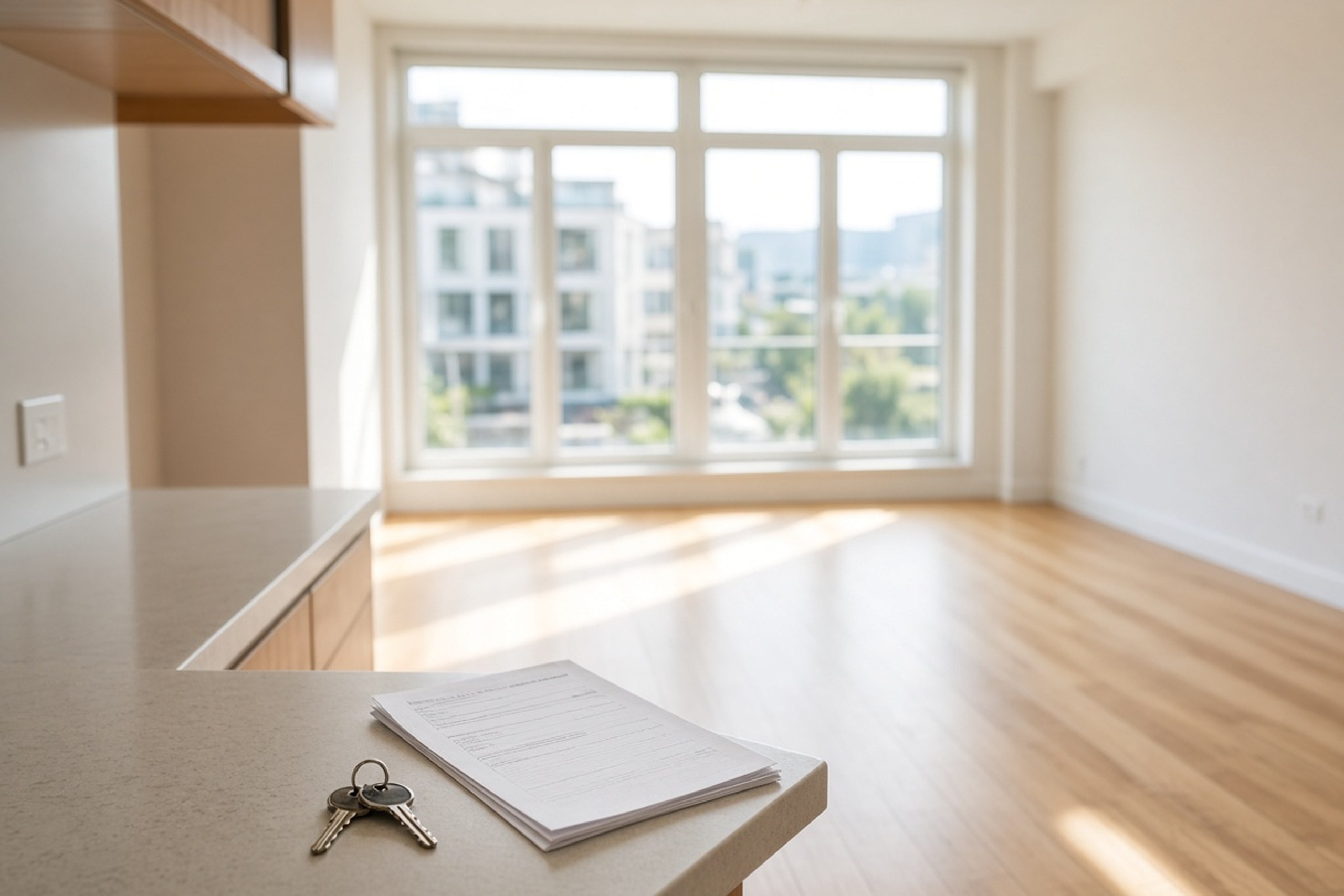
Finding a new place to rent can be exciting, but it can also be stressful, especially when good listings seem to disappear quickly. Whether you’re moving out for the first time, relocating for work, or simply looking for more space, a little preparation goes a long way. Knowing what to look for helps you avoid unpleasant surprises and choose a home that truly fits your life. In this guide, we’ll cover how to set a realistic budget, where to search, what to check during viewings, and how to understand your lease before you sign.
Set a Realistic Budget
Before you start browsing, work out how much you can comfortably spend each month. Rent is only part of the picture, so remember to include utilities, internet, parking, insurance, and any building or service fees.
Also plan for upfront costs. Many landlords ask for a security deposit and the first month’s rent before you move in, and some areas have application or agency fees. Knowing your total budget keeps you focused on homes you can genuinely afford.
Decide What Matters Most to You
Make a short list of must-haves and nice-to-haves. Must-haves might include the number of bedrooms, pet-friendly policies, or a short commute. Nice-to-haves could be a balcony, in-unit laundry, or a quiet street.
Having clear priorities makes it easier to compare options and act quickly when you find a place that ticks the important boxes.
Know Where to Search
Rental homes are advertised in many places, and using several sources gives you a wider view of what’s available.
Common places to look include:
- Online listing websites and apps: Filters for price, location, and features help you narrow your search quickly.
- Local real estate and letting agents: They often manage multiple properties and may know about homes before they’re widely advertised.
- Property management companies: Larger buildings are often managed by companies with their own websites.
- Community boards and social groups: Local groups sometimes share rentals from private landlords.
- Word of mouth: Friends, coworkers, and neighbors may hear about openings first.
Research the Neighborhood
The right home in the wrong location can quickly become frustrating. Visit the area at different times of day to get a feel for noise, traffic, parking, and how safe and comfortable you feel walking around.
Check how close you are to public transportation, grocery stores, schools, parks, healthcare, and anything else you use regularly. Testing your commute during rush hour can be especially revealing.
Inspect the Property Carefully
Photos can be flattering, so always view a home in person or by a live video tour if you can’t visit. Take your time and look beyond the decor.
During the viewing, check things like water pressure, signs of damp or mold, how windows and doors close, whether appliances work, and how many electrical outlets there are. Look for evidence of pests, and notice whether the building’s shared areas are clean and well maintained.
Ask the Right Questions
A viewing is your chance to learn how the rental really works. Don’t be shy about asking questions, and write down the answers.
You might ask how long the lease runs, which utilities are included, how repairs are requested and handled, whether pets or subletting are allowed, and how and when rent increases are decided. The way a landlord or agent responds can also tell you a lot about what renting from them will be like.
Be Ready to Apply Quickly
In busy rental markets, good homes can be taken within days. Preparing your paperwork in advance means you can apply as soon as you find the right place, rather than losing it while you gather documents.
Landlords commonly ask for proof of identity, proof of income such as recent pay slips or an employment letter, references from previous landlords, and sometimes permission for a credit check. Keep digital copies organized in one folder so you can send them quickly, and be ready to explain anything unusual, such as a recent job change or a gap in your rental history.
Read the Lease Before You Sign
A lease is a legal agreement, so read every section before you commit. Pay attention to the rent amount and due date, the deposit and how it’s returned, the length of the lease, notice periods, and any rules about guests, decorating, or noise.
If something is unclear, ask for an explanation in writing. Tenant rights and rental rules vary by location, so checking your local housing authority or a tenant advice service can help you understand what’s standard and fair.
Document the Condition at Move-In
Before moving your belongings in, walk through the home and record its condition with dated photos or video. Note scratches, stains, broken fixtures, or anything else that isn’t perfect.
Share a copy with your landlord and keep one for yourself. This record can help protect your deposit when you eventually move out.
Watch Out for Rental Scams
Unfortunately, fake listings do exist. Be cautious if a price seems far below similar homes in the area, if you’re pressured to pay before seeing the property, or if the person can’t show you inside.
Never send money by untraceable methods, and confirm that the person you’re dealing with actually owns or manages the property. When in doubt, walk away and keep looking.
Consider Renters Insurance
Your landlord’s insurance usually covers the building itself, not your personal belongings. Renters insurance can help protect your possessions against events like theft, fire, or water damage, and some policies include liability coverage.
It’s often more affordable than people expect, and some landlords require it. Comparing a few policies helps you find coverage that suits your needs.
Finding a Place That Feels Like Home
Searching for a rental takes patience, but careful planning makes the process far less stressful. By setting a clear budget, knowing your priorities, inspecting homes thoroughly, and understanding your lease, you can sign with confidence.
Take your time, trust your instincts, and keep your list of questions handy. The right rental is out there, ready to become a comfortable place to settle in and enjoy.