
Biology is the study of life, and that makes it one of the most accessible sciences to explore outside a classroom. Living things are all around you, from the plants on your windowsill to the birds in your neighborhood and the microscopic organisms in a drop of pond water. You don’t need a degree or a laboratory to enjoy learning about how life works. Here’s how to explore biology and the life sciences as a rewarding hobby, whatever your age or background.
Start With Your Curiosity
The best place to begin is with what already interests you. Some people are fascinated by animals and their behavior, while others are drawn to plants, the human body, genetics, insects, or ocean life. Following your natural curiosity makes learning feel enjoyable rather than like a chore.
Make a list of questions you’d like to answer, such as why leaves change color, how birds navigate, or how vaccines train the immune system. These questions can guide your reading, observations, and projects.
Observe the Nature Around You
Biology starts with careful observation. Take regular walks in parks, gardens, forests, or along the shore and pay close attention to what you see. Notice which plants grow in sunny or shady spots, which insects visit certain flowers, and how the landscape changes with the seasons.
A simple nature journal can deepen this practice. Record the date, location, weather, and what you observe, and add sketches or photos. Over time, your journal becomes a personal record of local life and a great tool for spotting patterns.
Try Hands-On Activities at Home
You can explore many biological concepts with simple materials. Growing seeds in clear containers lets you watch roots develop, while composting reveals how decomposers break down organic matter. Many people also enjoy keeping a small aquarium, terrarium, or worm bin to observe living systems up close.
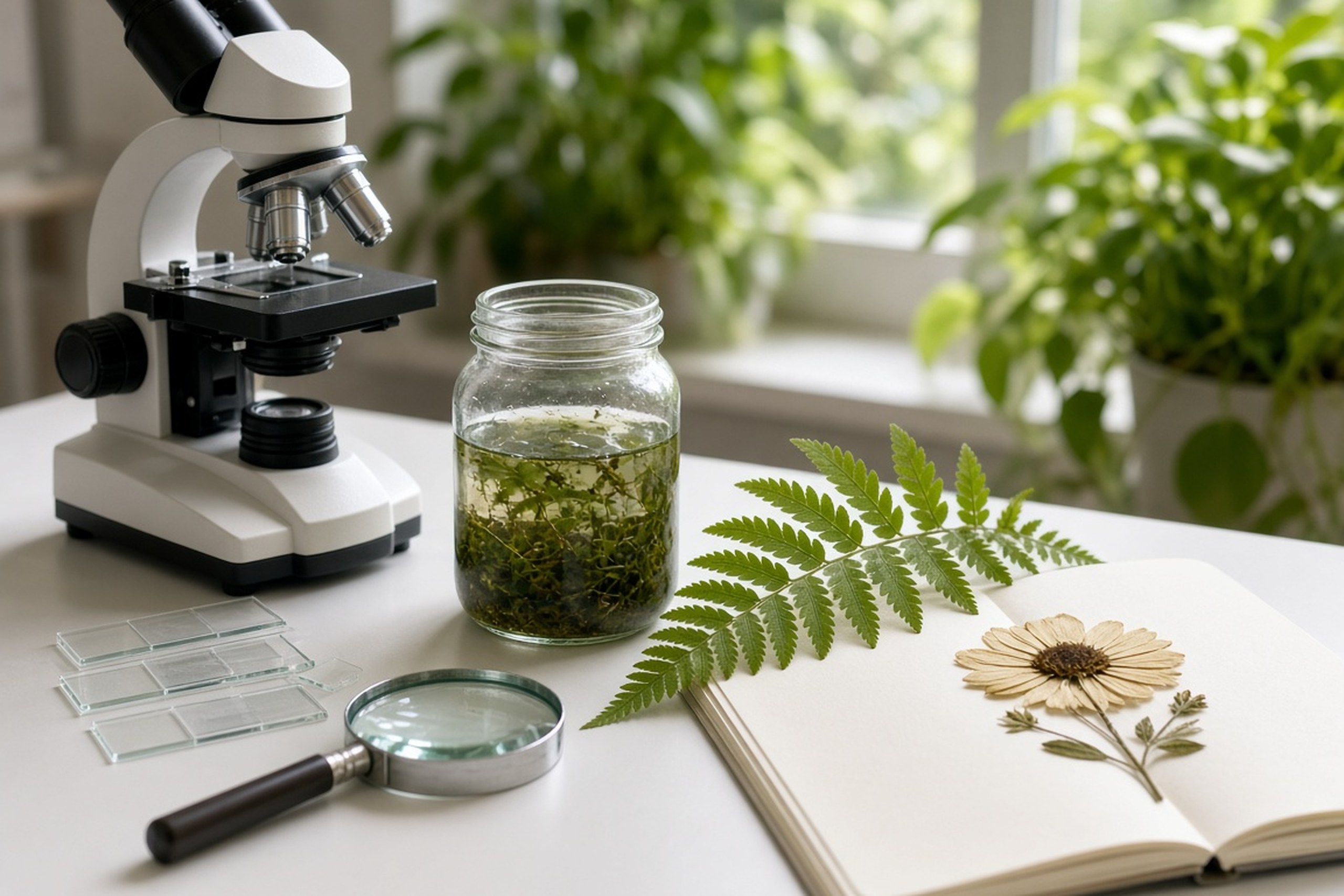
A beginner microscope opens up an entirely new world. Pond water, onion skin, leaf sections, and pollen make fascinating first specimens. Always follow basic safety practices, such as washing your hands after handling soil or water samples.
Learn to Identify Living Things
Identifying species is a satisfying way to build knowledge. Field guides for birds, trees, wildflowers, insects, and mushrooms can help you learn what lives in your area. Identification apps can offer helpful suggestions from photos, though it’s wise to confirm results with a guide or expert.
Be especially careful with mushrooms and wild plants. Never eat anything based on an app or a quick identification, since some species are toxic and easily confused with edible ones.
Explore Biology in Your Own Kitchen and Garden
Everyday life is full of biology. Baking bread shows yeast at work as it produces the gas that makes dough rise, while making yogurt or sauerkraut demonstrates how helpful bacteria transform food. Watching vegetables sprout from scraps can teach you about plant growth and stored energy.
A garden, even a few pots on a balcony, is a living laboratory. You can observe pollinators, compare how plants respond to different amounts of light and water, and learn about soil life. Planting native species can also attract local wildlife for you to observe.
Join Citizen Science Projects
Citizen science projects invite members of the public to contribute observations to real research. Volunteers help track bird populations, record when plants bloom, monitor water quality, count butterflies, or classify images online. These projects give your hobby a meaningful purpose, since your observations can help researchers understand changes in species and habitats over time.
Participating also teaches you how scientists collect and use data. Many projects provide training materials, making them welcoming for beginners.
Take Advantage of Online Learning
There are many high-quality ways to learn biology online. Some popular options include:
- Online courses: Many universities and educational platforms offer free or low-cost introductory courses in biology, ecology, genetics, and anatomy.
- Educational videos: Video lectures and documentaries can make complex topics easier to visualize and understand.
- Podcasts: Science podcasts are a convenient way to learn during commutes, walks, or chores.
- Reputable websites: Museums, universities, and government science agencies publish accessible articles and learning resources.
Read Widely
Books are an excellent way to explore biology in depth. Popular science books explain big ideas such as evolution, ecology, and the human microbiome in engaging, approachable language. Textbooks, including older editions that are often inexpensive, offer a more structured introduction.
Your local library is a valuable resource for both. Librarians can also help you find science magazines and beginner-friendly titles on specific topics.
Visit Museums, Gardens, and Nature Centers
Natural history museums, botanical gardens, aquariums, zoos, and nature centers bring biology to life. Exhibits explain everything from fossils and ecosystems to plant adaptations and animal behavior. Many offer guided tours, talks, and workshops for adults.
Nature centers and parks often host guided walks led by naturalists. These outings are a great way to learn identification skills and ask questions in person.
Connect With Others Who Share Your Interest
Learning alongside others can make the experience more enjoyable. Look for local nature clubs, birding groups, native plant societies, gardening clubs, or amateur microscopy groups. Members often share knowledge freely and welcome newcomers.
Online forums and community groups also let you share observations, ask for identification help, and learn from enthusiasts around the world.
Keep Learning at Your Own Pace
One of the joys of learning as a hobby is that there are no deadlines or exams. Set small goals, such as identifying ten local trees or completing an introductory course, and celebrate your progress. Revisit topics as your understanding grows.
If your interest deepens, you might consider community college classes, volunteering at a nature reserve, or helping with habitat restoration projects.
Discovering the Wonder of Life
Exploring biology as a hobby can change the way you see the world. By observing nature, experimenting at home, reading widely, and connecting with fellow learners, you’ll continually discover new details about the living things around you.
Stay curious, keep asking questions, and enjoy the endless variety of life that makes biology such a fascinating subject.